


You are looking to try to figure out what a video production crew costs per day in Vietnam. You probably found ranges from $400 to $4,000 with no clear sense of which numbers apply to your project. This post is the working day rate reference we use as a production company in Vietnam, with real 2026 ranges by role across three tiers of crew quality.
The numbers below are nation-wide. Top professional crew in Vietnam travel between Ho Chi Minh City, Hanoi, and Da Nang for any project that books them. Their rate is the same whether the shoot is in Saigon or Sapa. Local-only crew in any one city may run cheaper but represent a different tier of capability, English fluency, and craft. The right rate for your project depends on the tier you need, not the city you film in.
Three tiers of crew matter for a B2B buyer scoping a Vietnam shoot. Local videographer is the freelance generalist who shoots weddings, events, and corporate work the same week. Corporate tier is the professional crew assembled per project for boiler-plate corporate video. High-Level Professional tier is the international agency-grade crew that works on global campaigns and flagship brand films.
Key Takeaways
- Top Vietnam crew is nation-wide. The same DOP rate applies whether you film in Ho Chi Minh City, Hanoi, or Da Nang because professional crew travel for work.
- Local videographer tier sits at $1,000 to $3,000 per day for a single shooter with basic edit. Not comparable to professional production company work.
- Corporate tier DOP day rates run $750 to $1,000. Director rates run $1,000 to $1,300.
- High-Level Professional tier sits roughly 25 percent above Corporate tier for support roles. Director and DOP at this tier can run $1,500 to $4,000 per day for international agency-led campaigns.
- A day rate covers crew time only. Equipment, transport, food, overtime, insurance, and 10 percent VAT are billed separately. The all-in figure typically runs 25 to 40 percent above the rate card.
- Equipment rental sits outside this guide because rates depend heavily on supplier, scope, and bundle discounts that need to be scoped per project.
- Vietnam is value, not cheap. The lowest-cost option often damages brand outcomes over the long term, while the right tier delivers professional output at 30 to 50 percent below comparable rates in regional and Western markets.
Why Crew Day Rates Vary So Widely in Vietnam
In This Article
Most pricing guides for Vietnam video production crew aggregate three different markets that should never be in the same table.
1. Local Videographer (flat day rate, $1,000 to $3,000)
A solo shooter who works the wedding, event, and corporate circuit interchangeably. Camera, tripod, gimbal. One small light or no lighting kit. Eight hours of total time including travel to and from the shoot. Basic edit. The same person shoots a wedding one day, an event the next, then comes to film your office.
This tier is fine for what it is. Internal updates, quick social clips, basic event coverage. It is not professional brand film work. The shooter is a generalist, not a specialist in any one category. Editing is basic cuts with no narrative structure or storytelling craft. Lighting is whatever ambient light is on the day.
Crew at this rate typically work in Vietnamese only and do not speak English fluently. Most do not respond to email, do not have a website, and get their work through Facebook posts, Zalo, and other local social channels. For an international buyer this means no formal contracting, no English documentation, and limited recourse.
There is no per-role rate at this tier because there is no separate crew. One person does everything.
2. Corporate tier (per-role specialist crew)
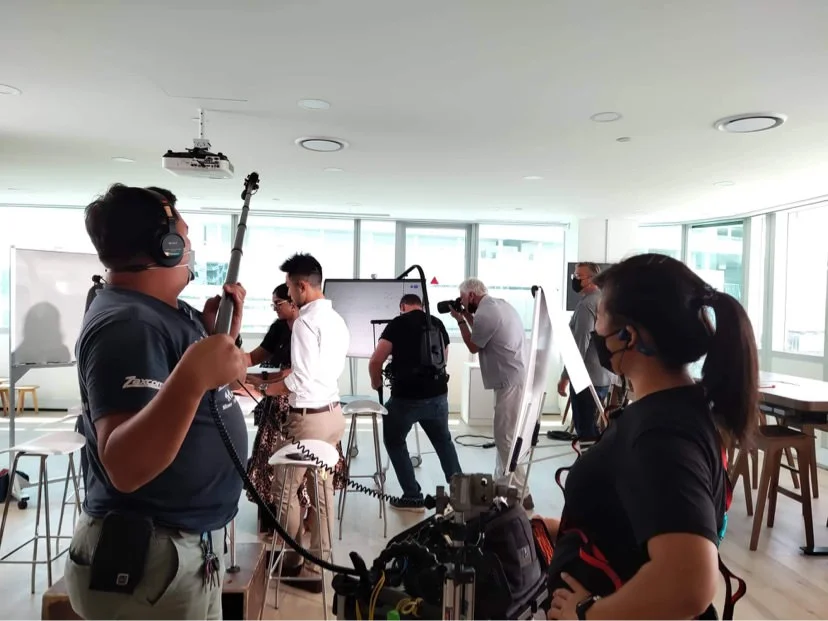
A small professional production team assembled per project. Director, DOP, sound, gaffer, editor. Planned pre-production. Polished deliverable built for a brand audience. The output is corporate-grade: clean, professional, on-brief. It looks like other corporate video work in the same category. Not particularly creative or cinematic, but not amateur.
This is where most international brand projects land when buyers want a polished result without paying for agency-grade creative direction. The rate card below covers this tier.

3. High-Level Professional tier (international agency-grade)
Crew with international project history working on global or regional campaigns. The agency leads creative. The crew executes at international standard with cinematic lighting, scripted narrative, and post-production polish. Director and DOP at this tier are the people who shoot for Apple, Google, Netflix, Samsung. Support roles still cap reasonably because their craft is technical rather than creative-led.
Rate floor at this tier is roughly 25 percent above the Corporate equivalent for support roles. Director and DOP can run materially higher because the top end of brand-film creative direction commands premium pricing globally.
Local Videographer Day Rate Range
Single shooter, basic edit, no per-role breakdown.
Day rate: $1,000 to $3,000 per shoot day (25 million to 75 million VND).
Includes: one shooter, eight hours of total time including travel, camera with tripod and gimbal, one small light or no lighting, basic edit delivered as a single deliverable.
Excludes: specialist crew, narrative structure, scripted approach, English-language production support, multi-camera coverage, controlled lighting design, color grading beyond a basic LUT.
When to hire at this tier: internal updates, social clip coverage, event recap, low-stakes shoots where production value is not the goal.
When not to: any project where the video will represent the brand externally to customers, candidates, or investors.
Crew Day Rates by Role (Corporate and High-Level Professional)
Below are 2026 day rate benchmarks in USD for Vietnam video production crew at the Corporate and High-Level Professional tiers. Rates apply nation-wide because top crew travel.
| Role | Corporate | High-Level Professional |
|---|---|---|
| Director | $1,000 to $1,300 | $1,500 to $4,000 |
| Director of Photography | $750 to $1,000 | $1,500 to $3,000 |
| Camera Operator | $475 to $675 | $600 to $850 |
| 1st AC | $300 to $400 | $375 to $500 |
| 2nd AC | $175 to $275 | $225 to $350 |
| Gaffer | $250 to $450 | $315 to $565 |
| Grip | $125 to $175 | $155 to $220 |
| Sound Mixer | $250 to $500 | $325 to $625 |
| Producer | $400 to $600 | $500 to $750 |
| 1st AD | $300 to $500 | $375 to $625 |
| Stylist | $475 to $675 | $600 to $850 |
| MUA / Hair | $250 to $675 | $325 to $850 |
| Drone Op (with drone) | $950 to $1,325 | $1,175 to $1,675 |
| Translator / Fixer | $450 to $625 | $550 to $775 |
A few notes on reading the table.
The Director and DOP rate spreads are wider at the High-Level Professional tier because that is where the international agency creative direction sits. A Director coming with an agency on a regional brand campaign can sit at $4,000 per day. The same Director shooting a domestic corporate brief might sit closer to $1,500. Both are legitimate market rates within the tier.
For the largest brand campaigns at the High-Level Professional tier, some Directors work on a percentage of total project budget rather than a day rate. Typical share runs 10 to 15 percent of the total production budget. On a multi-country campaign with a $300,000 to $500,000 production budget, that puts the Director’s compensation in the $30,000 to $75,000 range for the project, regardless of how many days they shoot. A day-rate-only calculation can understate top-tier Director cost on the largest projects.
The Drone Op rate includes the drone. That is why it sits higher than a Camera Operator rate. Hiring a Drone Op without their drone is rare in Vietnam because the operator typically owns the gear and prices the package as one line.
The Grip role is the standard production grip working under whichever lighting plan the Gaffer designs. Larger productions may have multiple grips at the same rate.
The English-fluency premium is real and sits inside these ranges. English-fluent crew with international project credits sit at the top of each range. Vietnamese-only crew sit at the lower end.
What Is Included and Excluded in a Day Rate
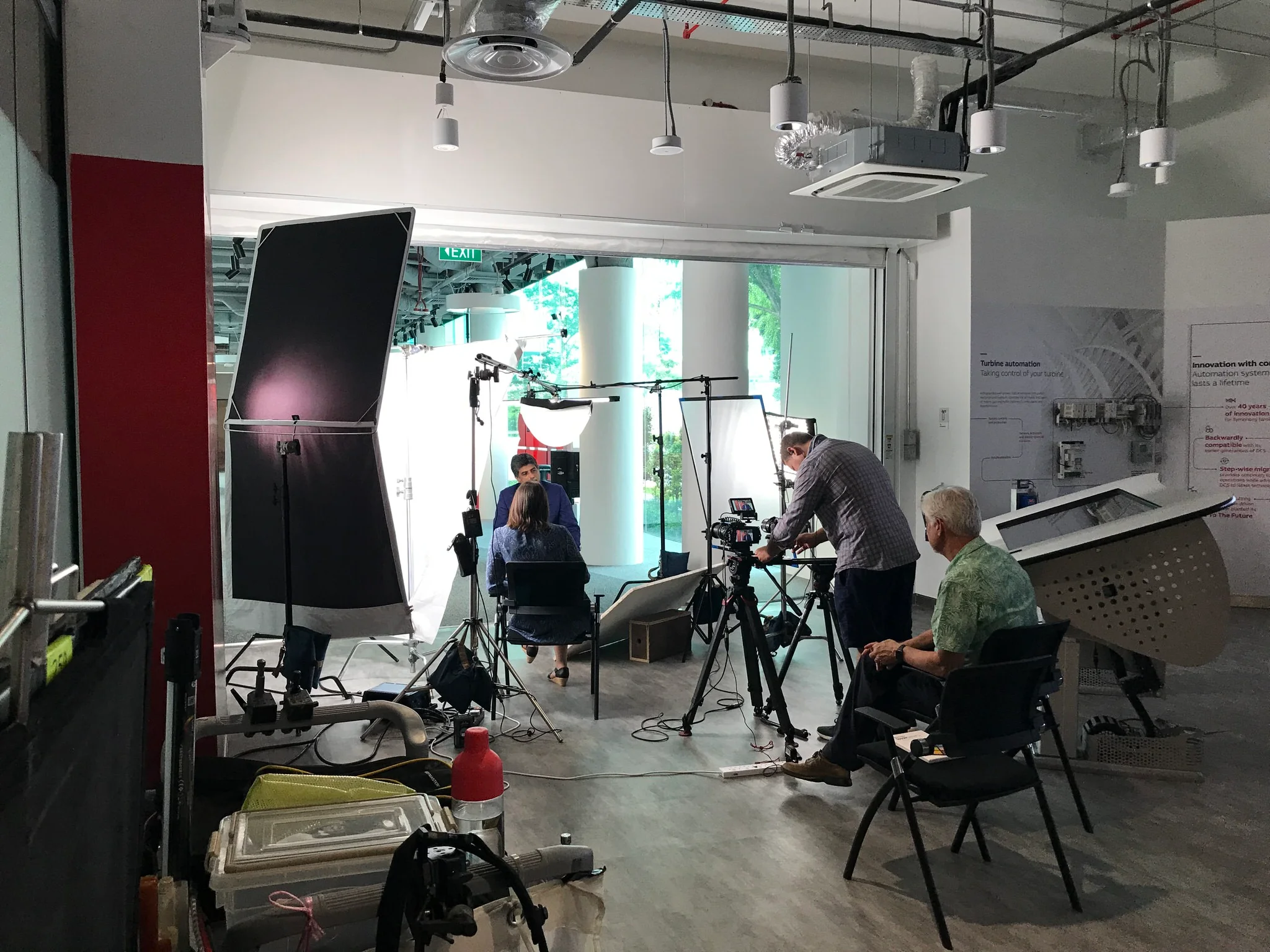
A Vietnam day rate covers crew time only. Equipment, transport, food, overtime, insurance, and tax are billed separately.
Included:
The crew member’s time for the planned shoot day. Standard Vietnam production conventions treat a day rate as a 10-hour clock running from call time. Some senior crew include a basic personal kit (e.g., a DOP may include their own follow focus or matte box). Most do not.
Excluded:
Equipment rental (camera, lenses, lighting, grip, sound recording kit, monitors). Transportation (van rental for crew, separate from gear transport). Food and per diem (when shooting outside the crew’s home city, typical $50 to $100 per day per crew for food). Overtime (kicks in at hour 11 and is billed at 1.5x the day rate per hour). Insurance (equipment insurance, public liability, sometimes required by location). Government fees and permits (filming permits, location release fees, drone permits which sit with the Vietnamese military). 10 percent VAT on production services for most foreign-billed work.
The gap between rate card and final invoice typically runs 25 to 40 percent. A $30,000 crew budget on paper often becomes a $42,000 all-in cost when transport, food, equipment, overtime, insurance, fees, and VAT are layered in. Buyers should always model the all-in figure rather than the rate card.
How Vietnam Crew Rates Compare to Other Asian Markets
Vietnam senior crew rates run 35 to 50 percent below Singapore, 20 to 30 percent below Bangkok, and 15 to 25 percent below Manila for equivalent talent and equipment. Quality and inventory match international standard across these markets.
A senior DOP in Singapore who would charge $1,500 to $2,500 per day costs $750 to $1,000 per day at the Corporate tier in Vietnam. A complete five-person commercial crew at the Corporate tier (Director, DOP, Camera Operator, Sound Mixer, Gaffer) runs roughly $2,700 to $3,900 per day, against $8,000+ per day for the equivalent crew in London. Same talent tier. Same equipment. Same delivery standard.
The cost differential is structural, not promotional. Vietnam’s labour cost base is lower across crew roles. The domestic ad market is smaller, so production capacity is less concentrated than in Singapore or Hong Kong. The gap reflects local cost structure, not lower output quality.
Vietnam Video Production Is Value, Not Cheap
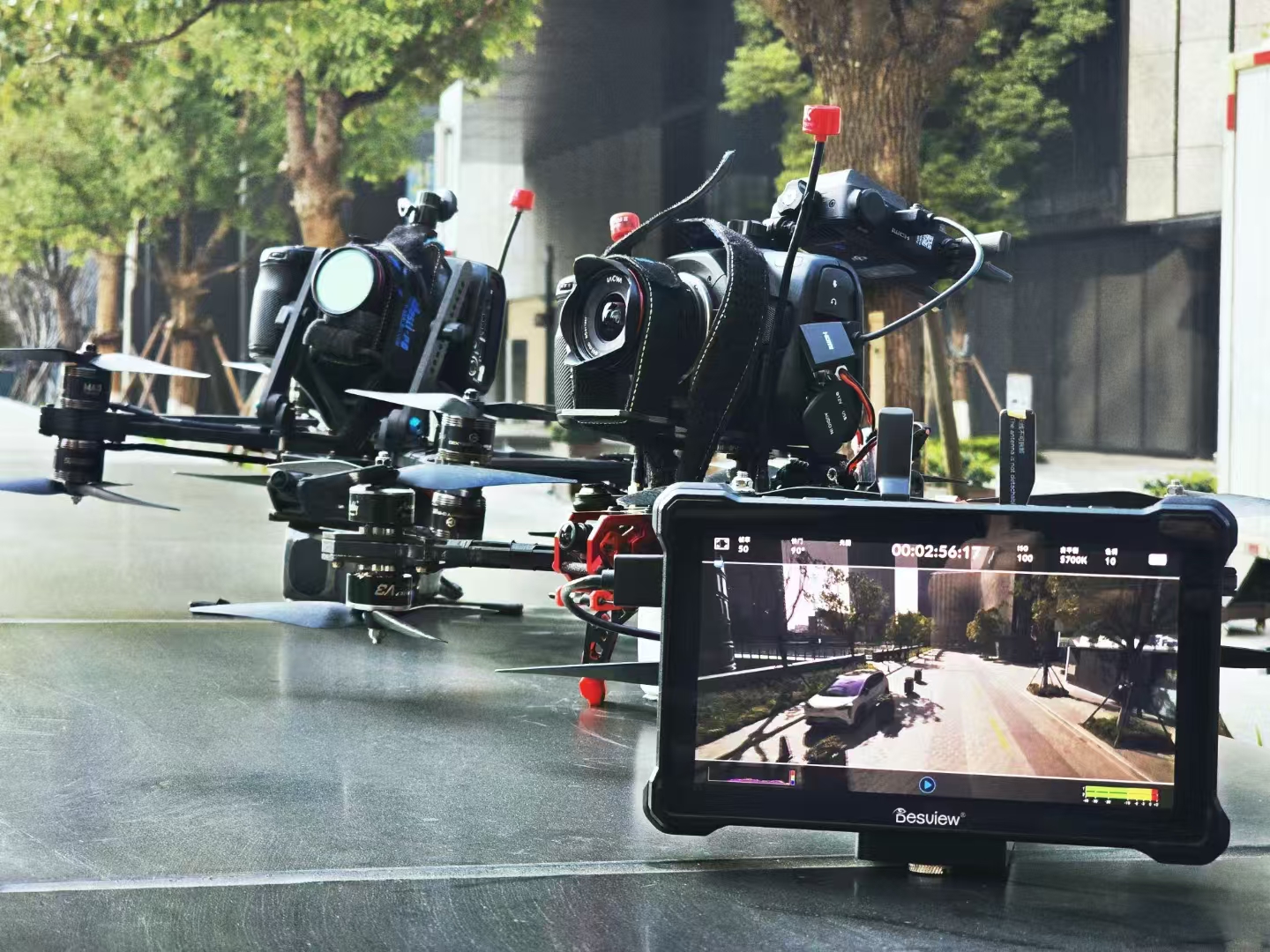
Buyers searching for Vietnam crew rates often start from the assumption that Vietnam is cheap. That framing leads to the wrong conversation. Vietnam is not cheap. Vietnam has value. Cheap and value are two different things, and the distinction matters when you are committing a production budget to a brand asset that will represent your company.
You can find cheap in Vietnam. A local videographer will shoot your factory tour for $1,000 and deliver an edited video. We had a client who took that path before working with us. Over four years on their website, the factory tour video reached 100 total views. Average watch time was 15 seconds on a four-minute video. The cheap option damaged the brand they were trying to support, and the cost saving on the production was wiped out by four years of low-grade video representing the company in front of their customers.
A second real example sharpens the value framing in the other direction. We recently quoted a client for a brand film production in Vietnam: an 8-person crew (Director, DOP, Gaffer, 1st AC, 2nd AC, Sound Mixer, Producer, 1st AD) and $50,000 worth of cinema lighting and equipment. The client compared our quote to a team flying in from Australia at the same total price. The Australian team turned out to be two videographers with Sony A7IV cameras and a gimbal. Same budget. Eight professional specialists with $50,000 in cinema gear on one side, two people with prosumer cameras on the other. That is what value means in practice. Vietnam at the right tier is not cheap, but a given budget buys materially more production than the equivalent budget buys in a Western market.
Value is what Vietnam actually offers. Professional cinematic production, agency-grade creative direction, polished corporate brand work, and custom craft tailored to the project, delivered at roughly 30 percent below comparable rates in Singapore, Bangkok, and Hong Kong, and 50 percent or more below the equivalent production in the United States or Europe. That is structural cost savings on real production quality, not a discount on lower output.
Two other practical cost advantages sit inside the value math. Production work in Vietnam does not require the production insurance overhead that adds to budgets in regulated Western markets, which removes a line item that runs into the thousands per shoot in many other countries. And the smaller, more agile Vietnam production economy makes custom production easier to commission than it is in larger markets where standardisation drives most rental house and crew workflows.
The right question for a buyer scoping a Vietnam production is not “what is the cheapest crew I can hire.” The right question is “what is the right tier for my project, and what value does it deliver against the brand outcome I am trying to drive.”
Equipment Rental Sits Outside This Guide
Equipment rates are deliberately not published in this post. The reason: equipment pricing in Vietnam varies more widely than crew rates do, and a published rate card cannot represent the real market.
A few drivers behind that decision.
Suppliers vary. Vietnam has multiple rental houses with different inventory, different pricing models, and different package structures. A Sony FX6 day rate at one house may differ materially from the same camera at a house across town.
Packages change the math. When a production rents camera bodies, lenses, lighting, and grip from one rental house, the bundled discount can be substantial. A small portion of the savings gets passed to the client. Specialty equipment from boutique rental houses operates outside that bundle discount logic.
Rental length matters. A two-day shoot pays a different effective day rate than a five-day shoot pays. Some houses offer weekly rates that effectively price a day at half of the single-day rate.
Specialty gear is its own market. Probe lenses, certain motion control rigs, broadcast trucks, and unusual cinema cameras come from a smaller pool of suppliers who do not match the volume-discount model of general rental houses.
Because of those variables, equipment cost is something we scope per project rather than publish as a rate card. We can give you a realistic equipment estimate inside an itemised quote once we know the brief, the shoot days, and the gear requirements.
How to Budget a Vietnam Shoot Using These Rates
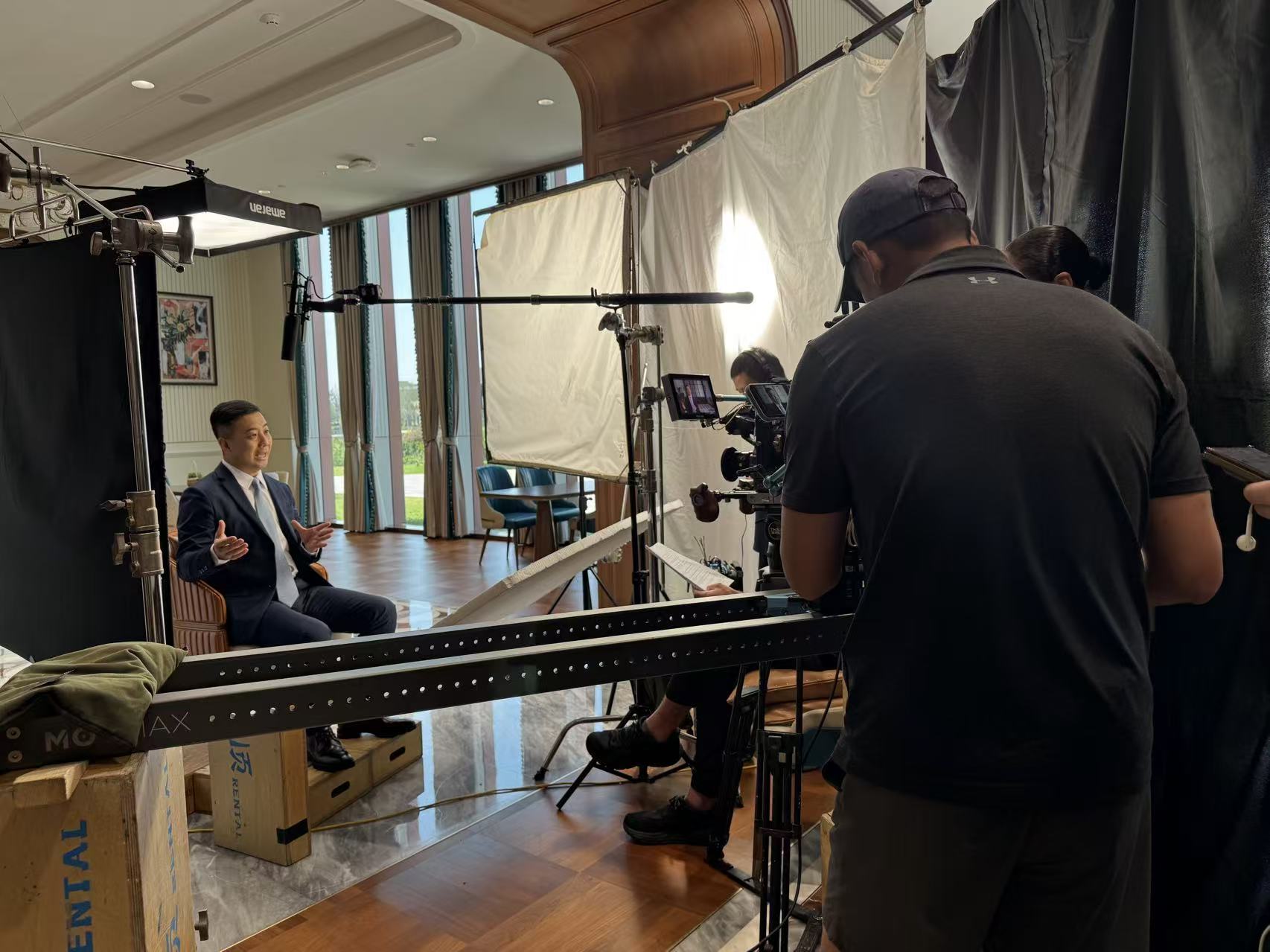
A reliable crew budget in Vietnam comes from a four-step approach.
Step 1: Build the crew list.
Match the brief to the roles you actually need. A one-day interview shoot for an internal asset may need DOP, Camera Op, Sound Mixer, Producer. A three-day brand film may add Gaffer, Grip, MUA, Stylist, 1st AD. A regional commercial may add Director, 1st AC, 2nd AC, and additional grips.
Step 2: Pick the tier.
Match the tier to the audience and the channel. A careers-page video that 200 candidates will see does not need High-Level Professional rates. A global brand campaign running across paid media does.
Step 3: Multiply by shoot days.
The day rate per role times the number of shoot days gives the crew line in the budget. A 3-day shoot with a 6-person Corporate tier crew lands in the $9,000 to $14,000 range for crew alone.
Step 4: Add 25 to 40 percent for excluded costs and equipment.
Equipment rental, transport, food, overtime, insurance, fees, and VAT typically add 25 to 40 percent on top of the crew line. A $12,000 crew budget often becomes $16,000 to $17,000 all-in once those costs are layered in. Equipment specifically is the largest variable and is scoped per project.
Frequently Asked Questions
How much does a DOP cost per day in Vietnam?
A Corporate tier DOP day rate in Vietnam runs $750 to $1,000. A High-Level Professional tier DOP working on international agency-led campaigns runs $1,500 to $3,000 per day. English fluency, international project credits, and creative collaboration with the director are the main drivers within each tier.
Are crew rates cheaper in Hanoi or Da Nang than in Ho Chi Minh City?
Professional crew rates are nation-wide in Vietnam. The same DOP, Director, or Gaffer charges the same day rate whether the shoot is in Saigon, Hanoi, or Da Nang because top crew travel for work. Local-only crew in any city may be cheaper but represent a different tier of capability and English fluency.
What is included in a Vietnam crew day rate?
A day rate covers crew time only. Equipment, transport, food, per diem, overtime, insurance, fees, and 10 percent VAT are billed separately. The all-in figure typically runs 25 to 40 percent above the rate card.
Why do crew rates vary so much within the same role?
Three factors drive variation. English fluency adds a 20 to 30 percent premium over Vietnamese-only crew. International project credits (Apple, Google, Samsung, etc.) push crew to the top of each range. The tier the production sits in (Local Videographer, Corporate, High-Level Professional) sets the band.
Why don’t you publish equipment rental rates?
Equipment pricing depends on supplier, package discount, rental length, and specialty status. A rate card published online cannot accurately represent the real market because the same camera body can vary by 30 to 50 percent depending on what else is bundled in the rental. We scope equipment per project inside an itemised quote.
Talk to Us About Your Vietnam Shoot Budget
If you are scoping a Vietnam production budget, the day rates above are working numbers from 20 years of production work in the market. Real project quotes are always itemised across crew, equipment, transport, food, overtime, insurance, fees, and VAT. For the full scope of what we do across the region, see our Vietnam video production services page.
Send us a message about your project or email info@em-production.com with your brief, shoot days, and timeline. We respond within 48 hours with an itemised quote tailored to the scope.
If you want to understand how these crew rates roll up into total project cost by video type, the Corporate B2B Video Cost in Vietnam (2026 Real Project Ranges) post covers project-level budgets across brand film, testimonial, recruitment, and factory video categories.
If you want to evaluate which production company fits your project before reaching out, the Best Video Production Companies in Vietnam (2026) post sets out a seven-dimension methodology you can apply to any production company in the market.