

What do you want to make?
Seoul Film Fixer
& Video Production Services
Full Service Production in Seoul and South Korea for International Agencies and Crews
Seoul is Cinematic Dynamic Historic World-Class Versatile Cultural Electric Connected
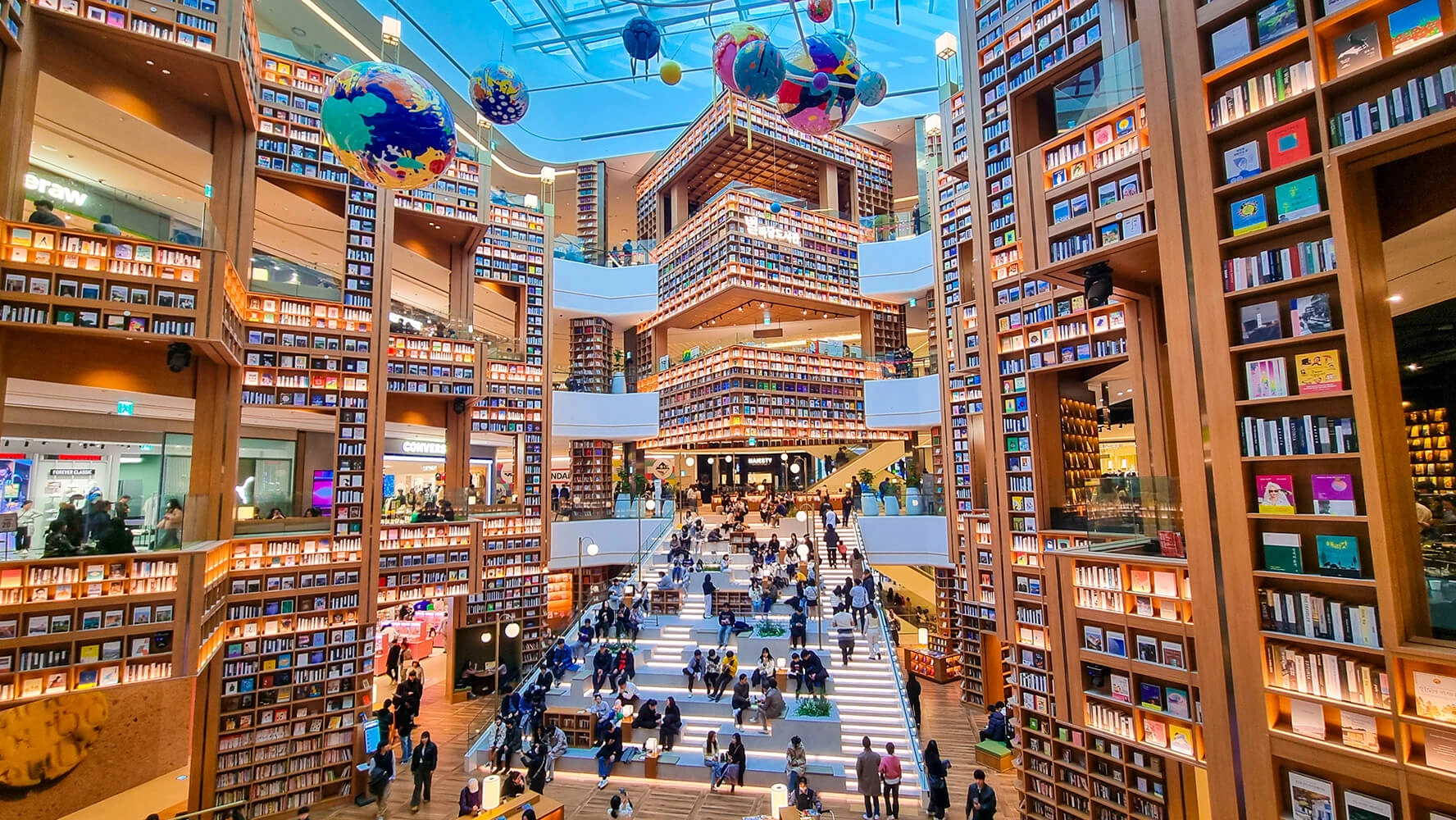
Seoul is one of the most production-ready cities in Asia. World-class infrastructure, a deep talent pool shaped by decades of K-content production, and a city that moves between 600-year-old palaces and ultramodern skylines within the same frame. For international production companies and agencies filming in South Korea, it is hard to find a city that offers more range with less friction.
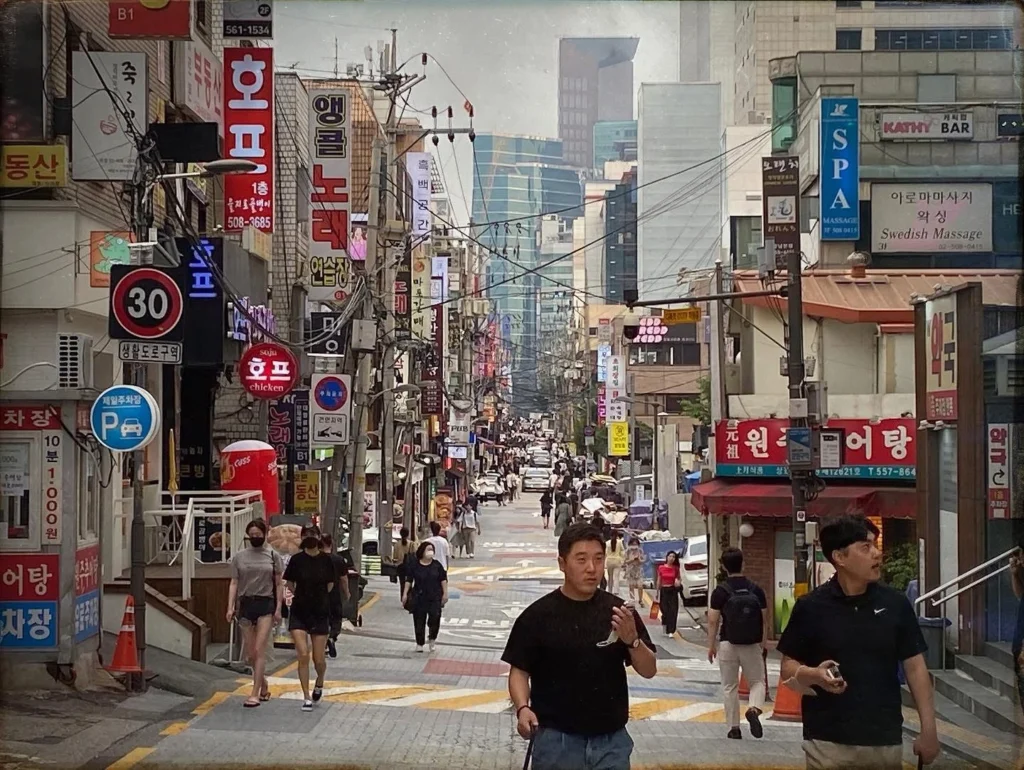
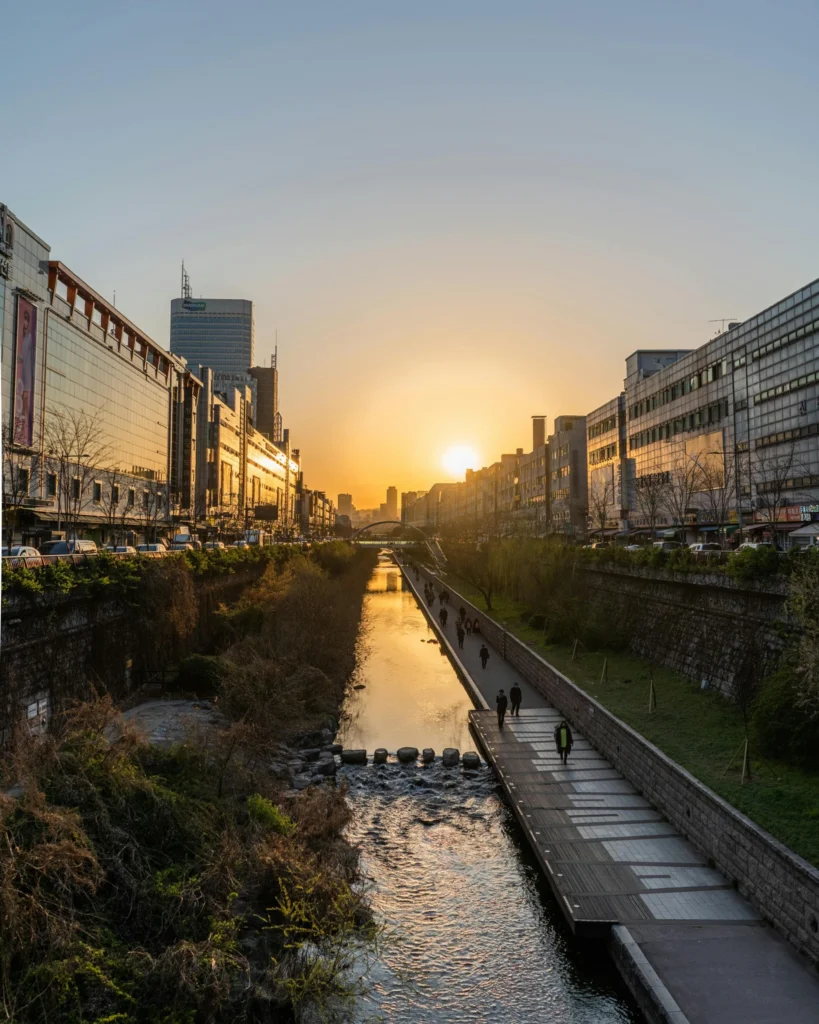
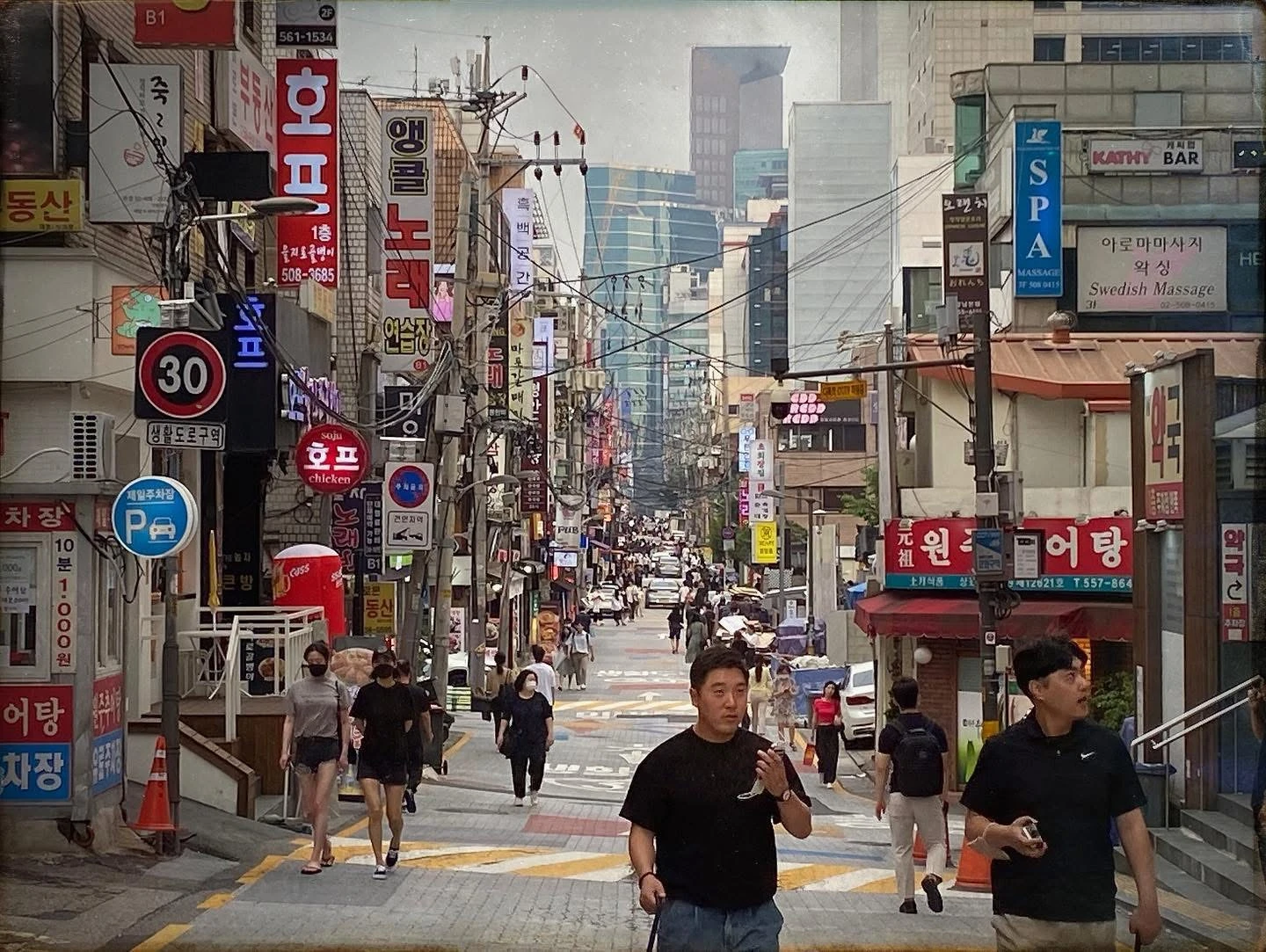
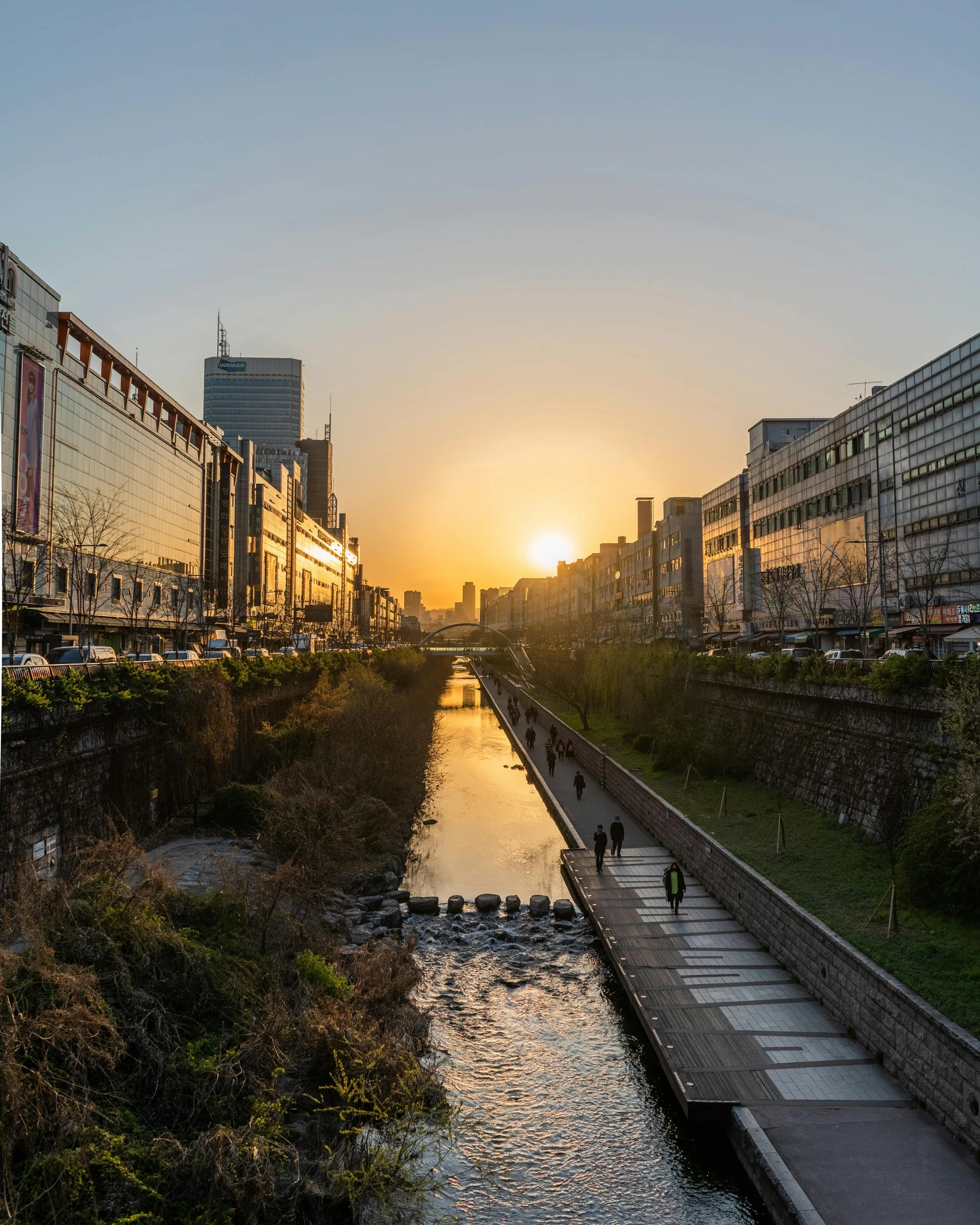
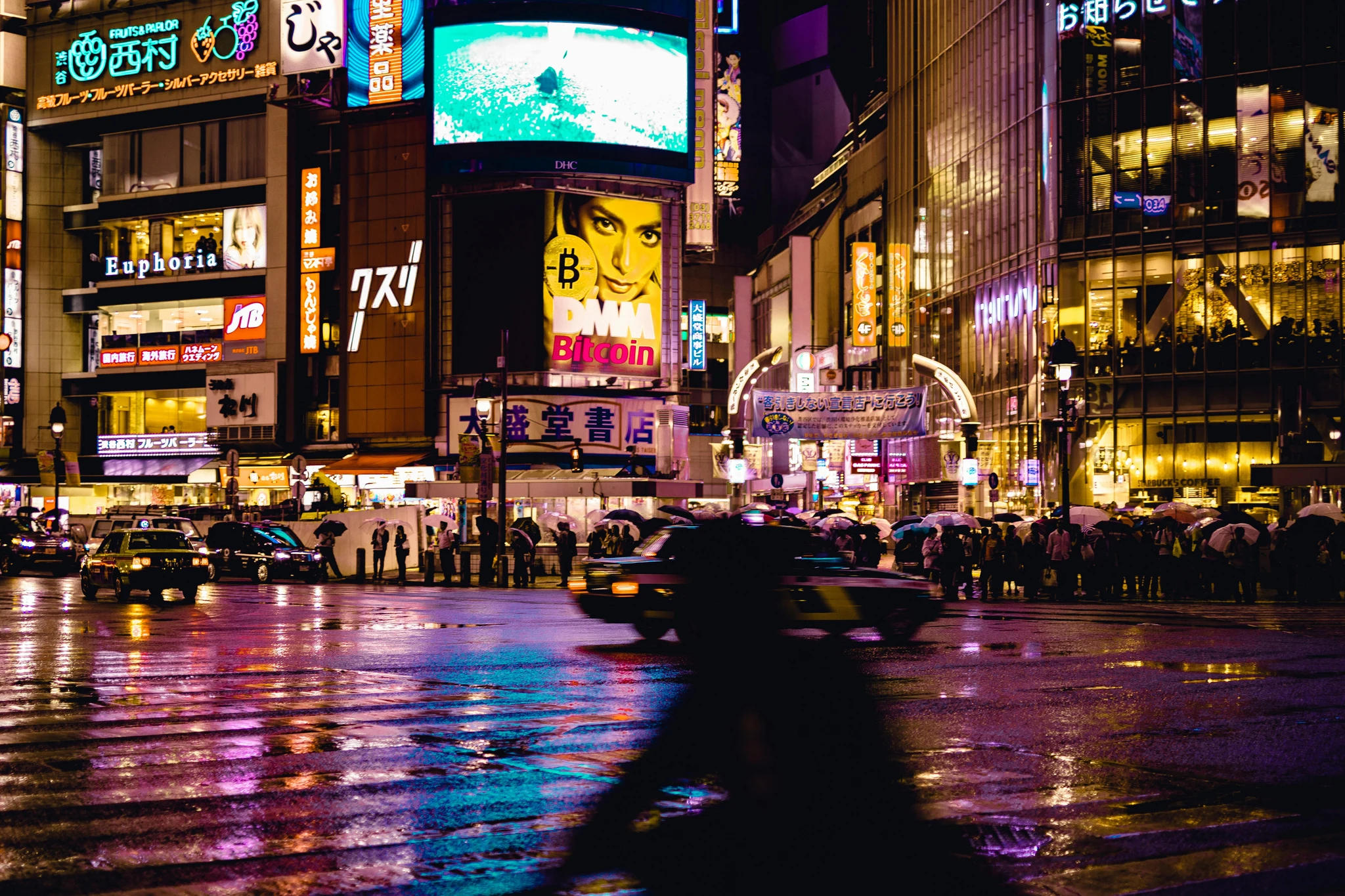
Within Seoul you move between the ancient palace grounds of Gyeongbokgung and Changdeokgung, the traditional streetscapes of Bukchon Hanok Village, the neon density of Gangnam and Myeongdong, the riverside parks along the Han, and the industrial edges of Mullae and Seongsu. Beyond the city, Busan and Jeju Island are accessible for productions that need coastal and natural environments.
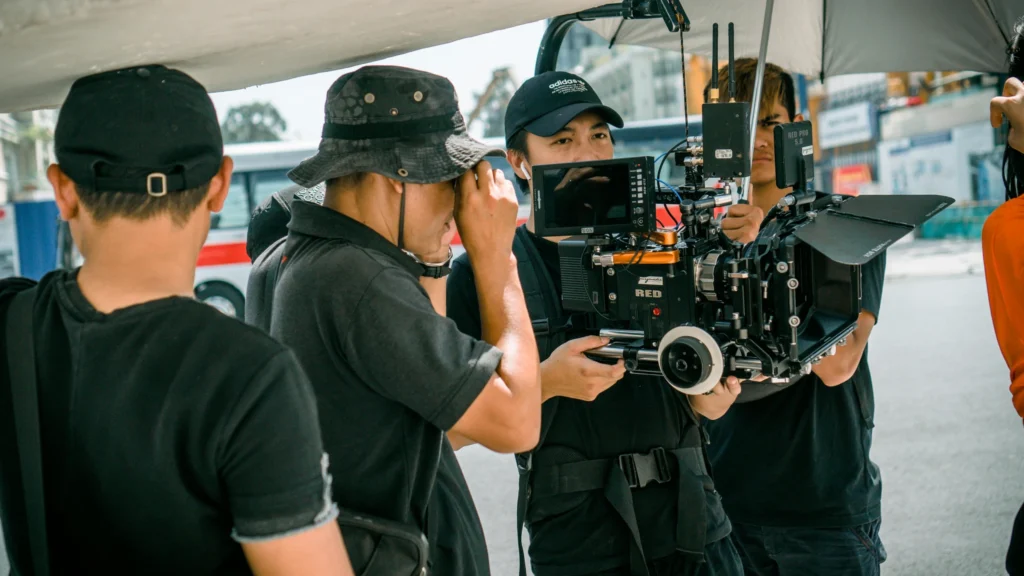
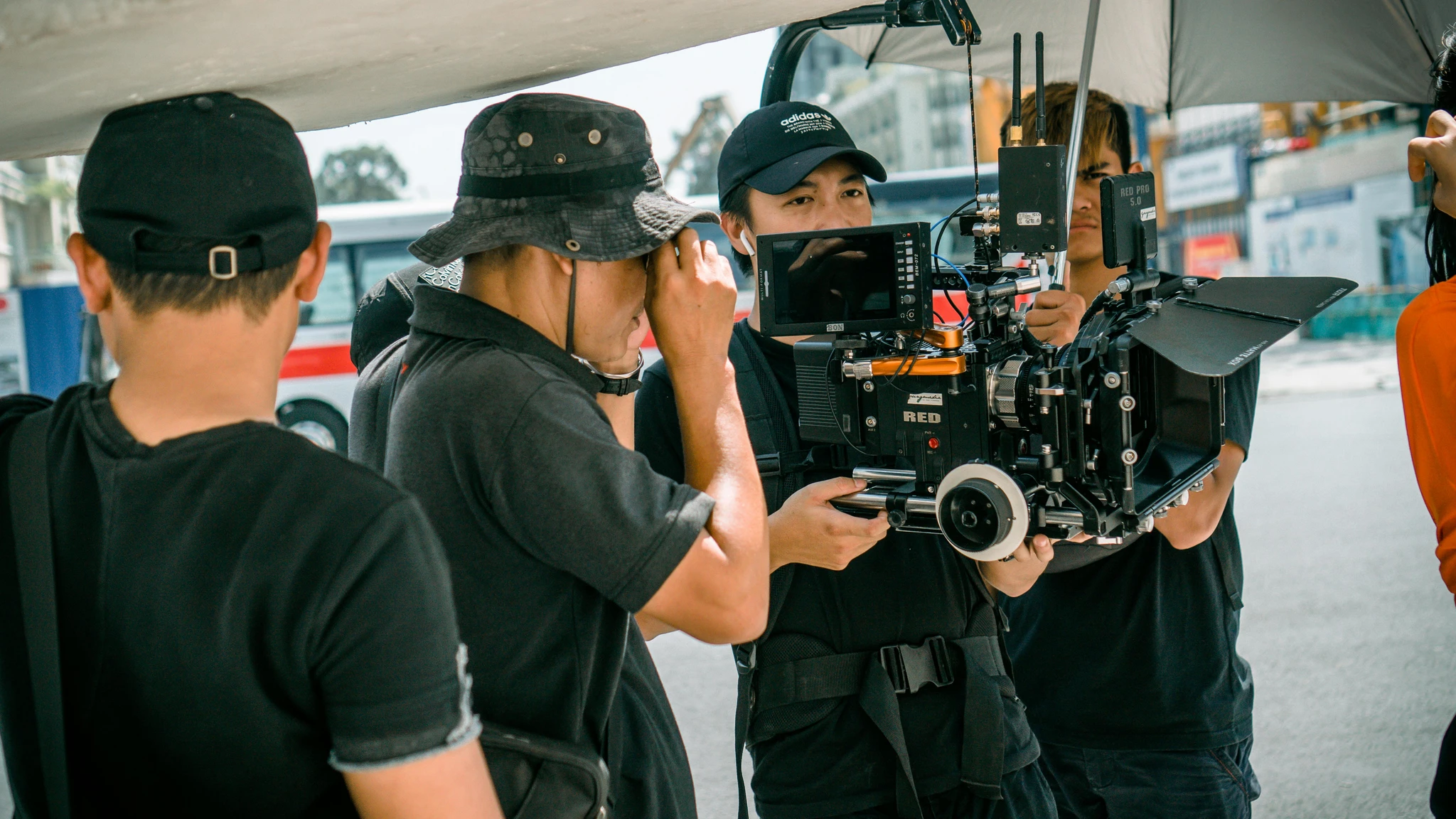
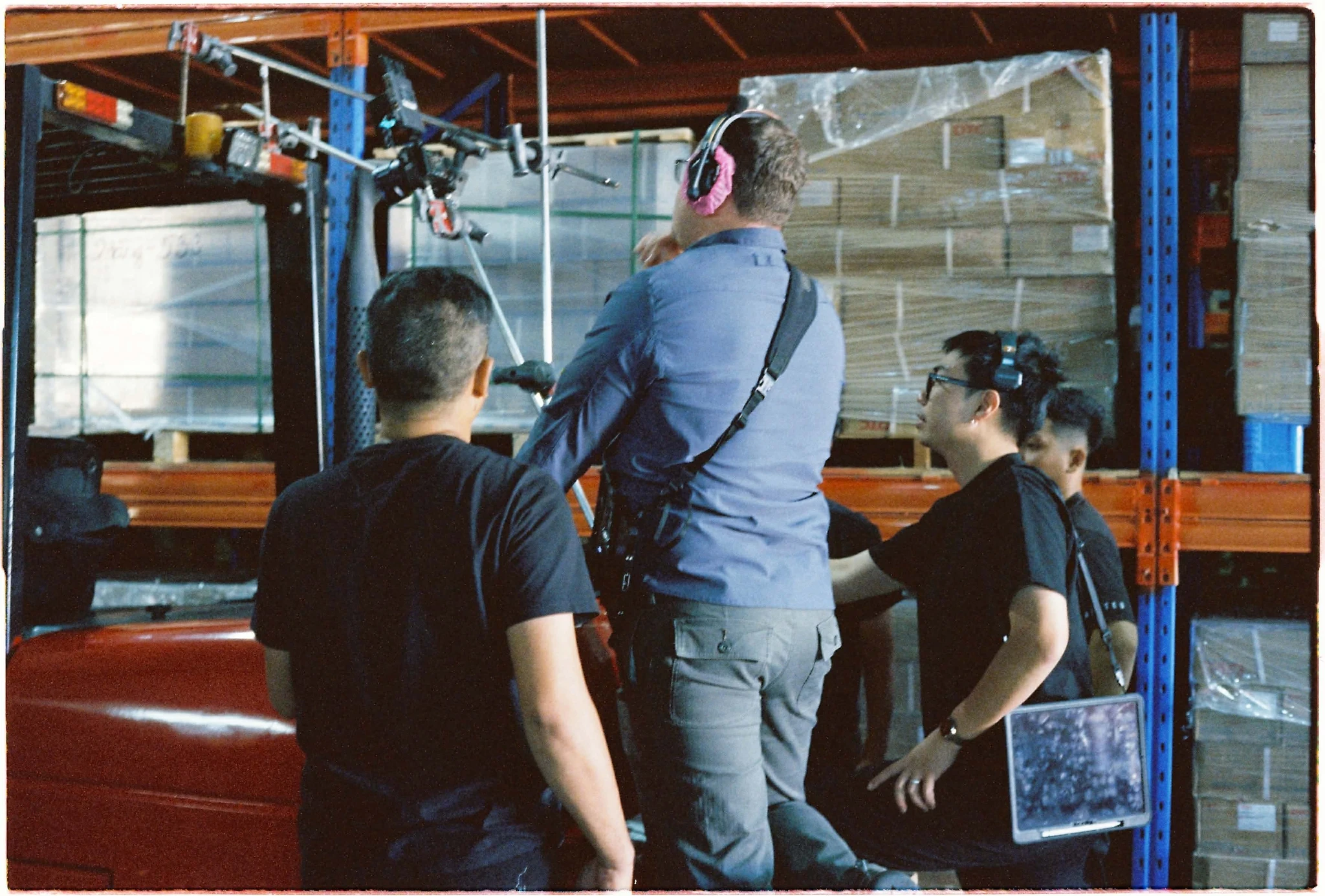
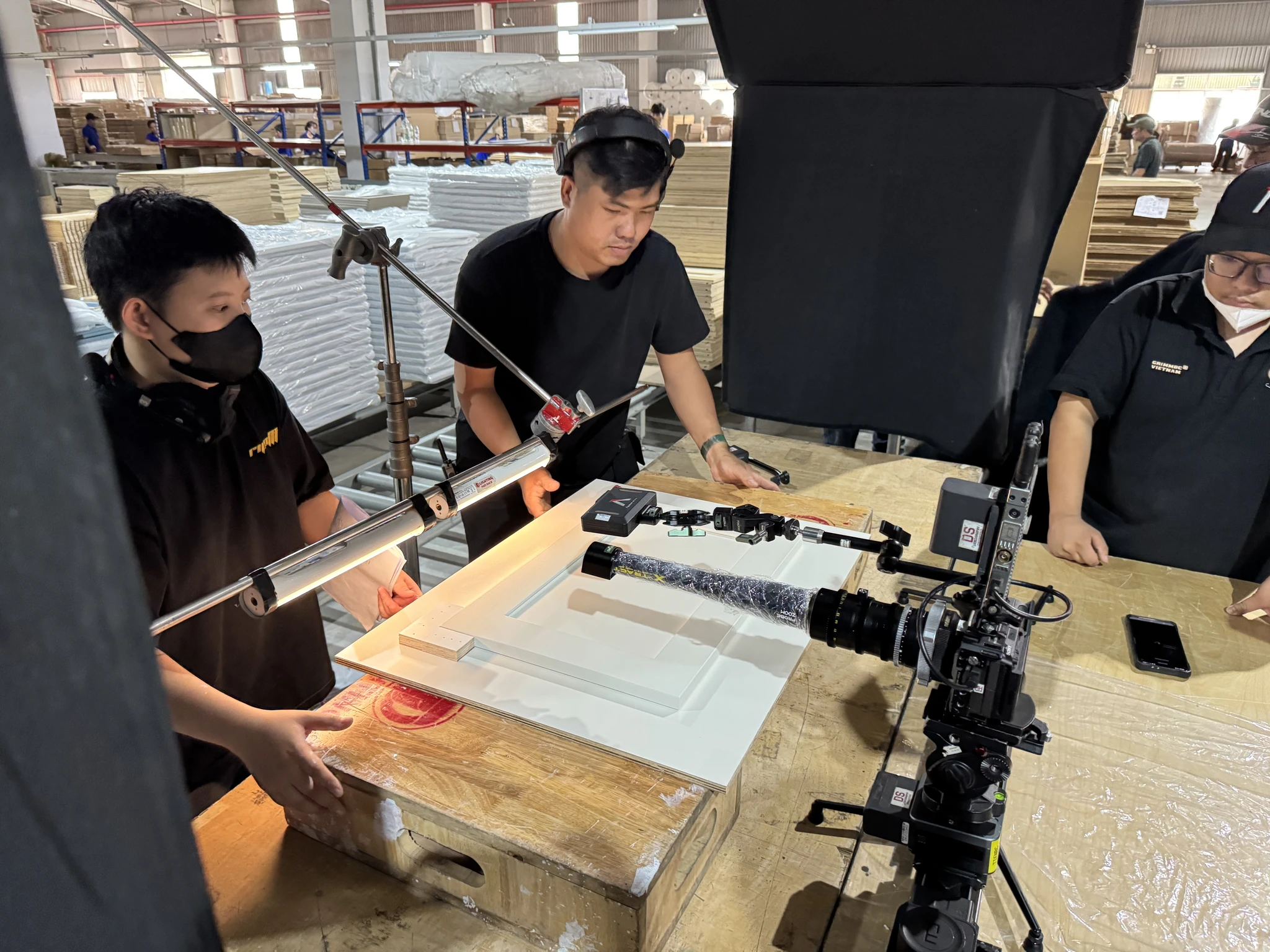
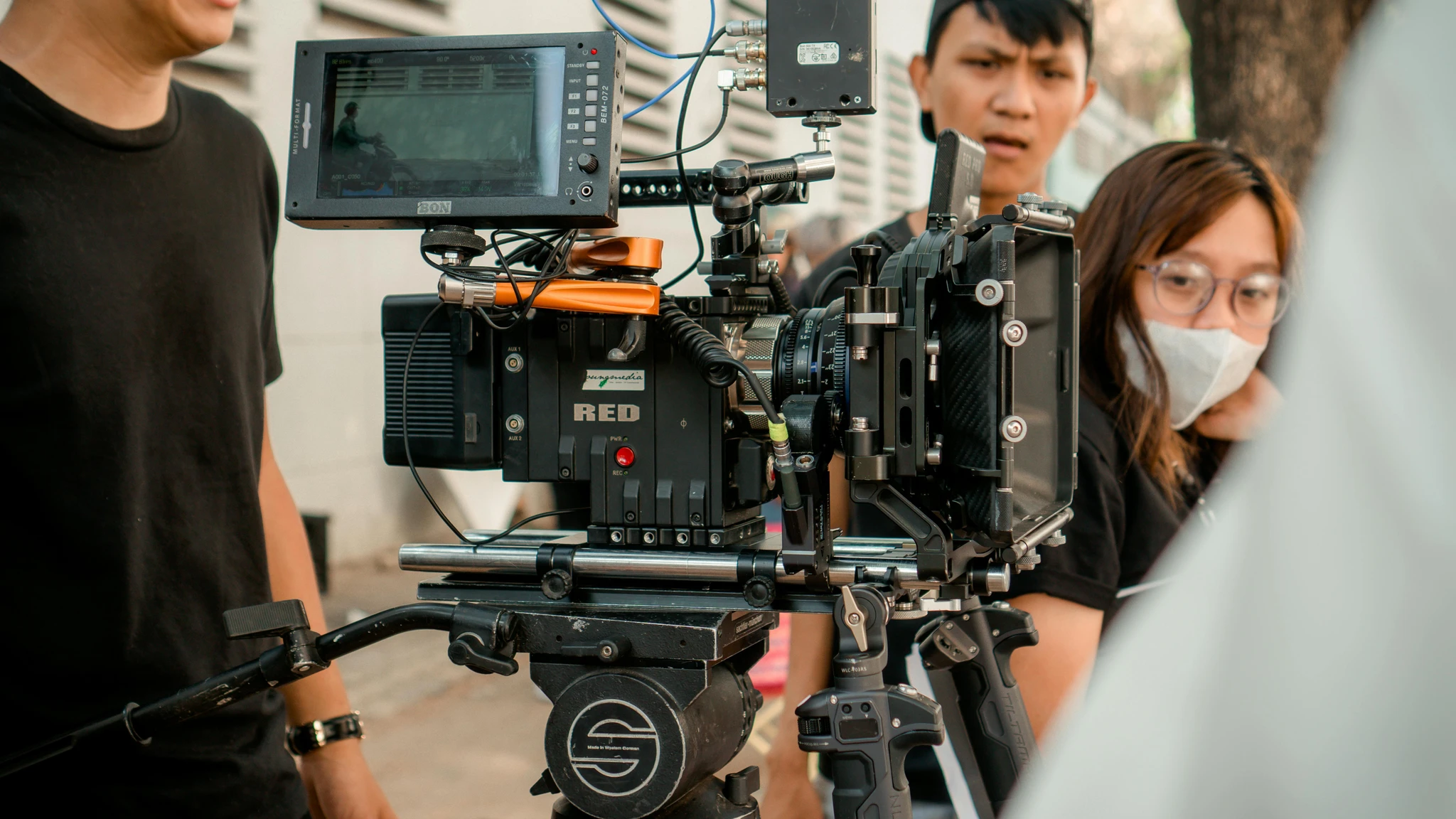
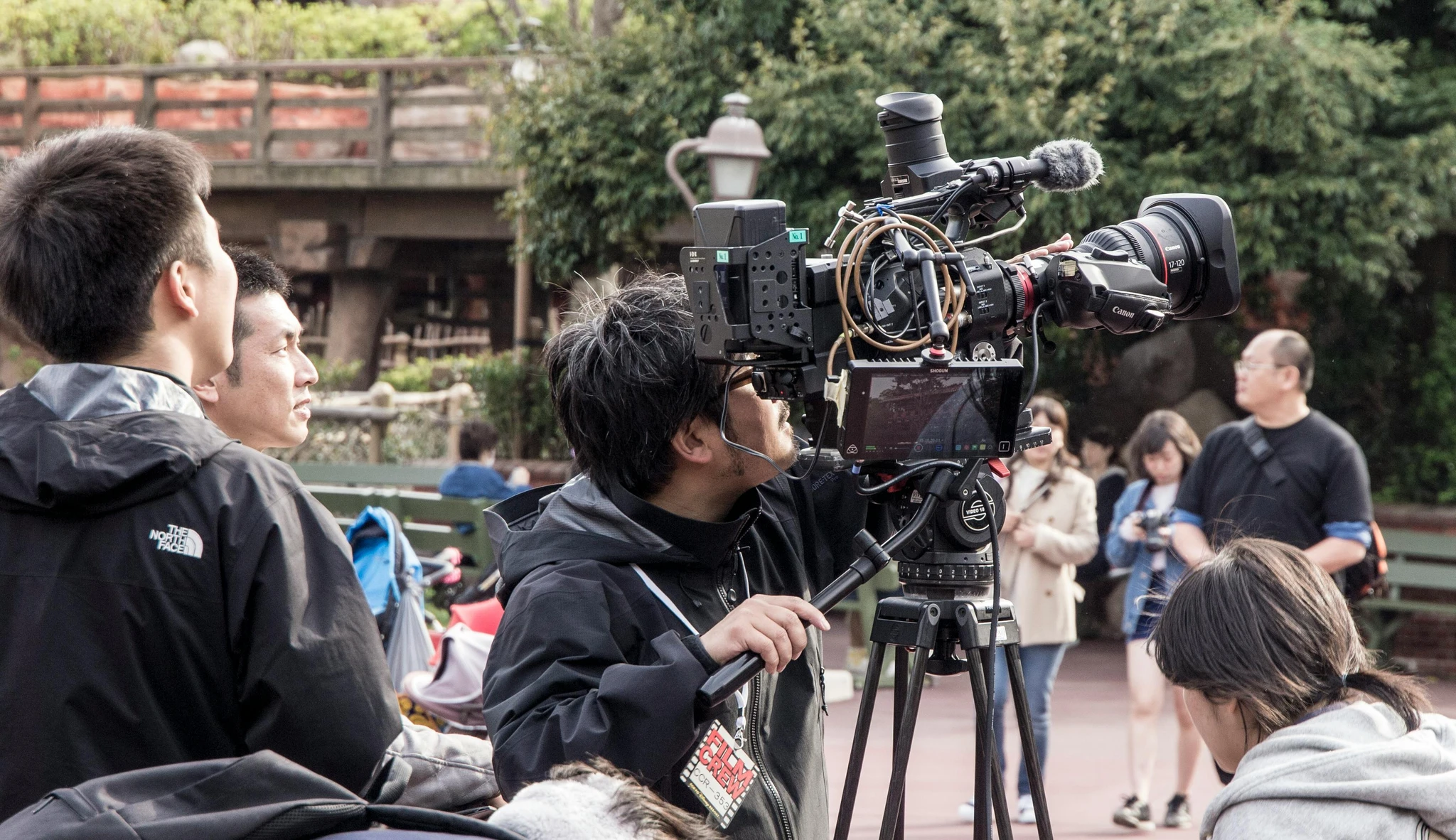
EM Productions operates with an established English and Korean speaking crew based in Seoul. We handle permits, locations, crew, equipment, logistics, and on the ground coordination with the structure and clarity international teams expect.
We keep your shoot moving, your budget intact, and your creative untouched.
With over 20 years of production experience across Asia and established Korean speaking crew in Seoul, we have produced for Palantir, HD Hyundai, Yara and other global brands who trust us to deliver on the ground.
Looking for a creative team to produce your video from concept to delivery?
See what other clients thought.
OUR SERVICES


Line Production
Production Planning
Equipment and Crew
Film Permits and Drone Permits
Logistics Management
Film Fixer Services
Fixers and Translators
Location Scouting and Management
Talent Casting and Management
Creative and Styling
Creative Concepts
Wardrobe and Styling
Makeup and Hair
Post Production
Editing and AI Production
Animation and Motion Graphics
Brands we’re proud to call partners

OUR COMMITMENT
We do what it takes
We love our work and we often love pulling off shots that client might think are not possible. At the end of the day it’s about getting the job done and getting it done right.
We are good at communication
Our communications are extremely timely and we pride ourselves on same day response to questions or concerns.
We are ready for change
We plan for the inevitable evolution and changes that happen during production. This not our first rodeo and we know how to be ready to stay focused and meet your goals.
We got your back
We are there for good times and the not so good times. We really believe that we are partners in your success. It’s not just another project for us but a commitment to making sure that our clients succeed in what they set out to accomplish.
Our crews are professionals
We only work with crew we trust. These are professionals we’ve collaborated with personally, who bring not just skill but calm, reliability, and the kind of energy you’ll appreciate during long, high-pressure shoot days.
Backups of Backups
We back up everything 2 times for every project and verify backups with software so your footage is safe.
We deliver on time
We make deadlines a priority and we stick to them. We understand the importance of your meeting, your trade show or your premier, and will work around the clock to deliver the goods.
No Hidden Costs
We don’t make our money by making it after the fact, we make it by making our clients happy. We are known for our clear, up-front and detailed proposals that help our clients understand exactly what they’re paying for and why.
Our research is thoughtful
Our research in locations, talent, props, scenes equipment, crew is done so as if it was our film we were making. We don’t just supply info, we think about it and how it will best help you meet your production goals.
Seoul Video Production FAQ
Where is EM Productions based in Seoul?
EM Productions operates with an established English and Korean speaking crew based in Seoul, covering Seoul and the surrounding Gyeonggi Province. Our primary offices and core team are based in Ho Chi Minh City, with our Korean team working on the ground in Seoul year round.
From Seoul we run productions across South Korea, including Busan, Jeju Island, and Incheon. We also coordinate with our teams in Hanoi, Da Nang, Singapore, Shanghai, Tokyo, and Cambodia for multi-location projects across Asia.
What production services does EM Productions offer in Seoul?
We work in two ways depending on what you need.
For international production companies, agencies, and film crews bringing their own creative to Seoul, we provide full production services and fixing. That includes film permits and drone permits, crew hire, equipment rental, location scouting and management, logistics, talent casting, fixers, and translators. Our Korean speaking team handles everything on the ground so your international crew can focus on the creative.
For brands and organizations that need video or photography created in Seoul, we handle the full process from concept through delivery. Corporate video, brand films, commercial production, documentary, and photography across multiple disciplines. Our clients include Palantir, HD Hyundai, and other global brands who trust us as a creative partner.
Over 20 years of production across Asia, with an established Korean speaking team in Seoul, means we know the locations, the regulations, the crews, and the logistics.
Do I need a filming permit to film in Seoul?
It depends on your project. The type of production, the locations involved, the size of your crew, the content being filmed, and whether you are shooting in public or private spaces all factor into what is actually required.
What we can tell you from years of managing productions in Seoul is that permit requirements vary significantly by location. Filming at Seoul Metropolitan Government owned locations, including landmarks like Gwanghwamun Plaza and N Seoul Tower, goes through the Seoul Film Commission. National heritage sites like Gyeongbokgung Palace and Changdeokgung require separate coordination with the Cultural Heritage Administration. Private locations, commercial districts, and roads each have their own processes.
For smaller documentary or corporate crews doing handheld work in public spaces, requirements may be minimal. For larger productions with equipment, road closures, or talent, permit applications are essential.
Every project is different. Contact us and we will tell you exactly what applies to your shoot. Reach out at info@em-production.com or use our contact form.
How do I obtain a filming permit for Seoul?
Filming permits in Seoul are managed through different authorities depending on the location. The Seoul Film Commission acts as a liaison for locations owned or operated by the Seoul Metropolitan Government. The Korean Film Council (KOFIC) and KFCIN provide support for foreign productions at the national level. Heritage sites, military zones, and certain government buildings involve additional agencies.
Generally you will need a production summary, filming schedule, crew list with passport details for foreign nationals, an equipment list, and a location plan. Processing times typically range from 3 to 14 working days depending on the complexity and the locations involved.
All documentation and coordination with Korean authorities must be handled in Korean. This is where our bilingual team makes a significant difference. EM Productions manages the full permit application process for our clients. Every project is different, so contact us to discuss what your specific shoot requires. Reach out at info@em-production.com or use our contact form.
What are the rules for drone filming in Seoul?
Drone filming in Seoul is heavily regulated. You need both flight approval and filming permission, and these are issued by separate authorities. The Ministry of Land, Infrastructure, and Transport (MOLIT) manages flight approvals through the Korea Office of Civil Aviation.
Most areas in Seoul fall under no-fly zones, restricted flight zones, or controlled airspace due to the city’s proximity to military installations and Gimpo International Airport. The application requires operator details, drone specifications, flight coordinates, altitude plans, and a detailed schedule. Drone imports also require clearance from the Korea Communications Commission and Korea Customs Service.
Seoul still offers strong aerial opportunities, particularly along the Han River, at designated parks, and at certain landmarks with proper approvals. Outside Seoul, Busan, Jeju Island, and rural areas offer more flexibility for aerial work.
If drone footage is part of your shoot, bring it up early. Lead times are longer in Seoul than in most Asian cities. Reach out at info@em-production.com or use our contact form.
Are there restricted filming areas in Seoul?
Yes. Military zones, the area around the Blue House (former presidential residence), certain government buildings, airport perimeters, and sensitive security zones have restrictions on filming. Some require additional permits. Others cannot be filmed at all.
National heritage sites including Gyeongbokgung, Changdeokgung, Jongmyo Shrine, and the Royal Tombs have their own filming regulations managed by the Cultural Heritage Administration. Permits, fees, and restrictions on equipment, crew size, and hours of access apply. These are popular filming locations but require advance coordination.
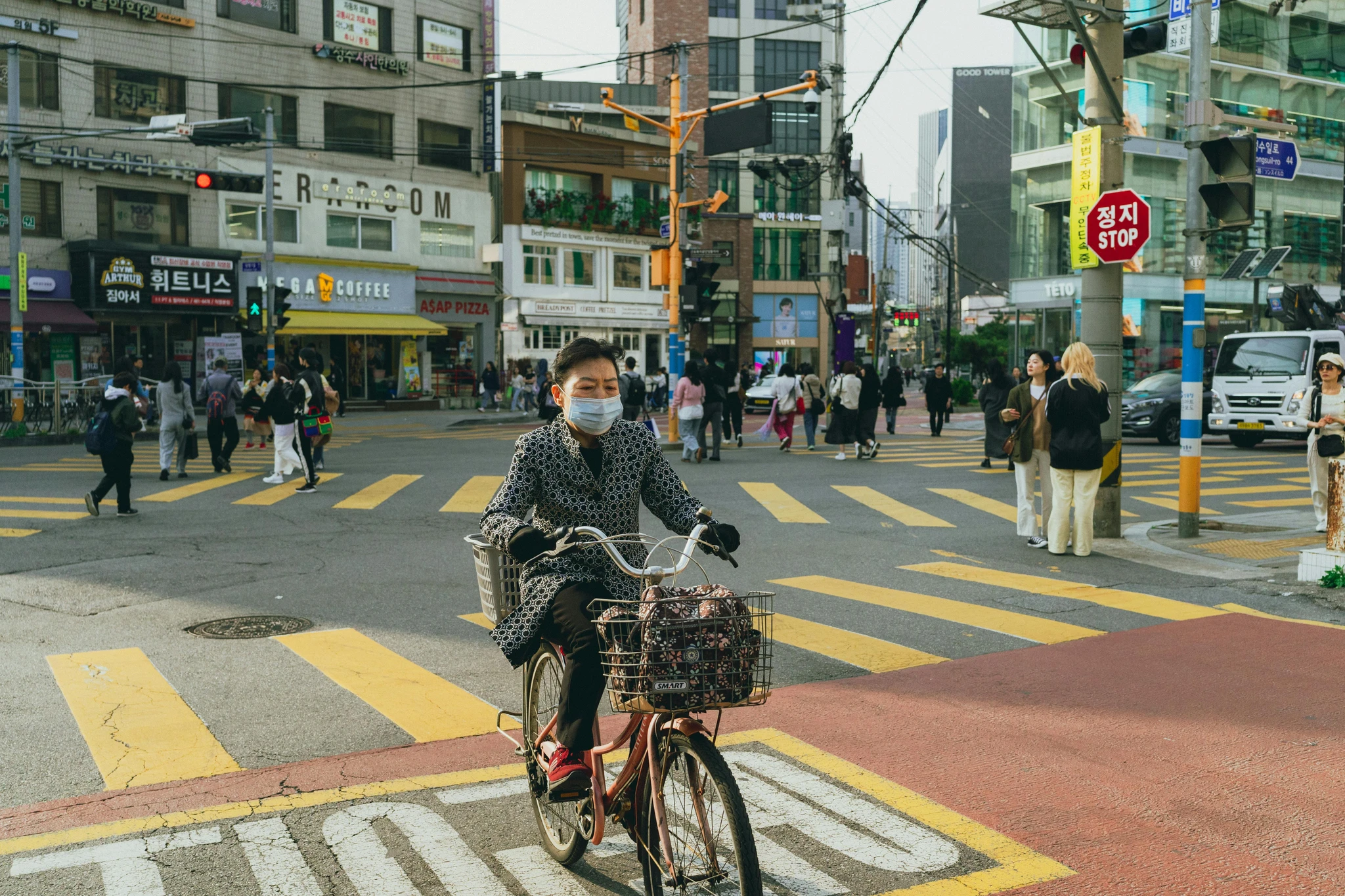
Beyond formal restrictions, practical considerations also apply. Seoul is a dense, busy city. Filming in high-traffic areas like Myeongdong, Hongdae, or Gangnam Station requires careful timing and crowd management. The Seoul Film Commission can assist with road control and public notification for approved productions.
EM Productions has managed shoots across Seoul and knows which locations are straightforward and which need careful planning. Contact us before you lock a location. Reach out at info@em-production.com or use our contact form.
Can I bring my own equipment to Seoul?
Yes. South Korea is an ATA Carnet country, which makes temporarily importing professional equipment significantly easier than in many other Asian markets. If your home country also participates in the ATA Carnet system, you can bring equipment in and out without paying duties or going through complex customs procedures.
Incheon International Airport is well equipped for handling professional production equipment arrivals. When a film permit is in place, customs coordination is straightforward. For smaller crews with mid-size professional equipment, arrival is generally smooth.
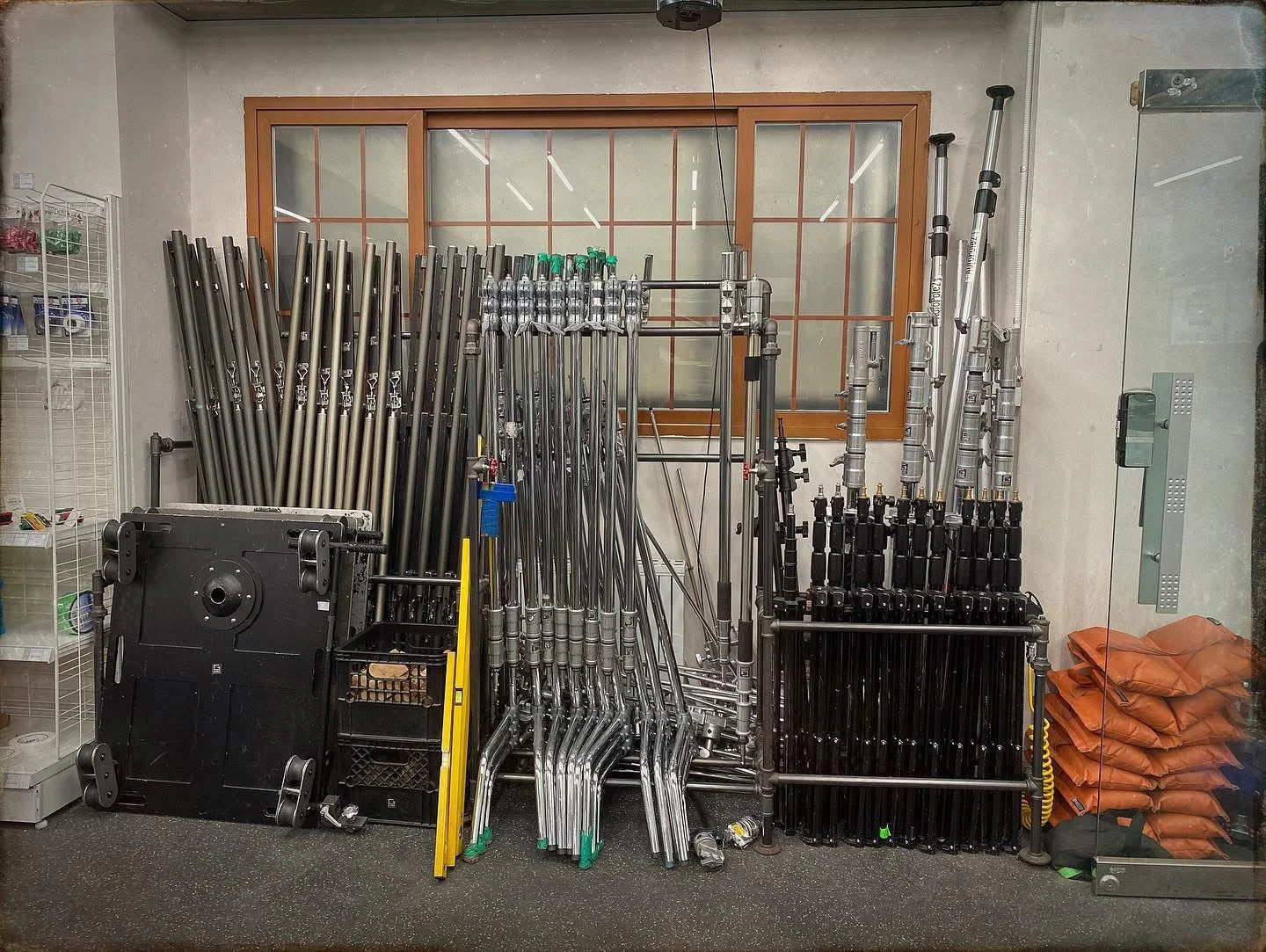
That said, Seoul has one of the best equipment rental markets in Asia. The Korean production industry supports a massive volume of domestic and international productions, and professional rental houses stock everything from cinema cameras and lighting packages to grip, sound, and specialized rigs. For many productions, renting locally is still the most practical option.
If you are unsure what to bring versus what to rent, contact us and we will help you make the most cost-effective decision for your project.
Do I need a film fixer for filming in Seoul?
Working with a local production partner in Seoul is strongly recommended for international crews. Permit processes, location access, and on the ground logistics all run in Korean. Without a bilingual partner who understands both the language and the local production ecosystem, even straightforward shoots can hit unnecessary obstacles.
This is especially true for productions involving heritage locations, government-managed sites, or shoots that require road closures, talent casting, or coordination with multiple Korean agencies. The Korean production system is efficient and well organized, but it operates on local norms and relationships that take time to build.
EM Productions provides full fixer services in Seoul with our Korean speaking team. We handle everything from permit applications and location management to bilingual on-set assistance and equipment coordination. Over 20 years of production experience across Asia, combined with native Korean language capability, means we bridge the gap between your international team and the Korean production ecosystem.
What are the best filming locations in Seoul?
Seoul offers one of the most diverse location libraries of any city in Asia, which is why it has become a global filming destination.
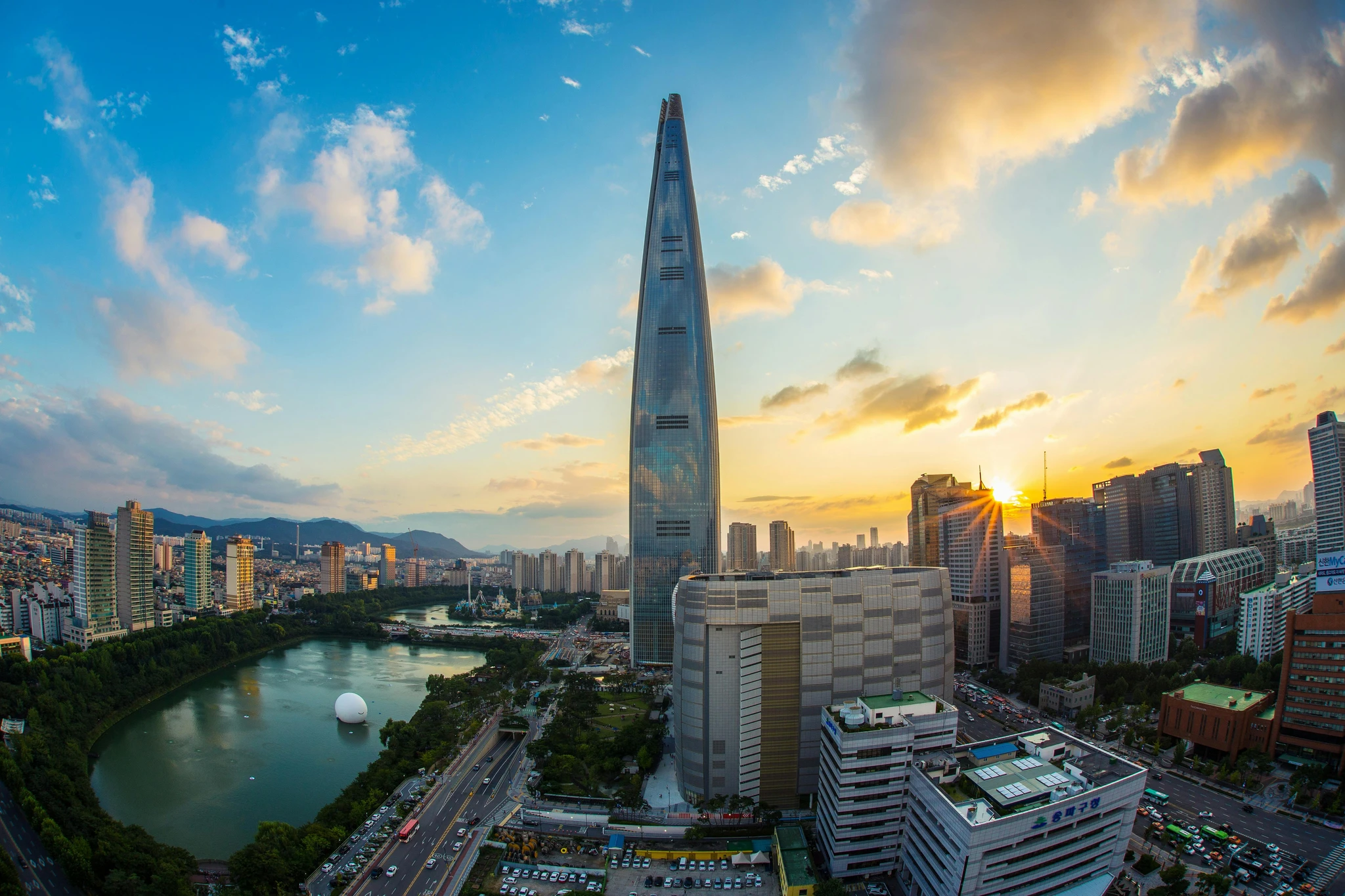
For traditional and historic settings, Gyeongbokgung Palace, Changdeokgung and its Secret Garden, Bukchon Hanok Village, and Jongmyo Shrine provide centuries of Korean architecture. For modern and urban environments, Gangnam, the Dongdaemun Design Plaza, Lotte World Tower, and the Seongsu and Mullae industrial districts deliver everything from sleek corporate backdrops to gritty industrial texture.
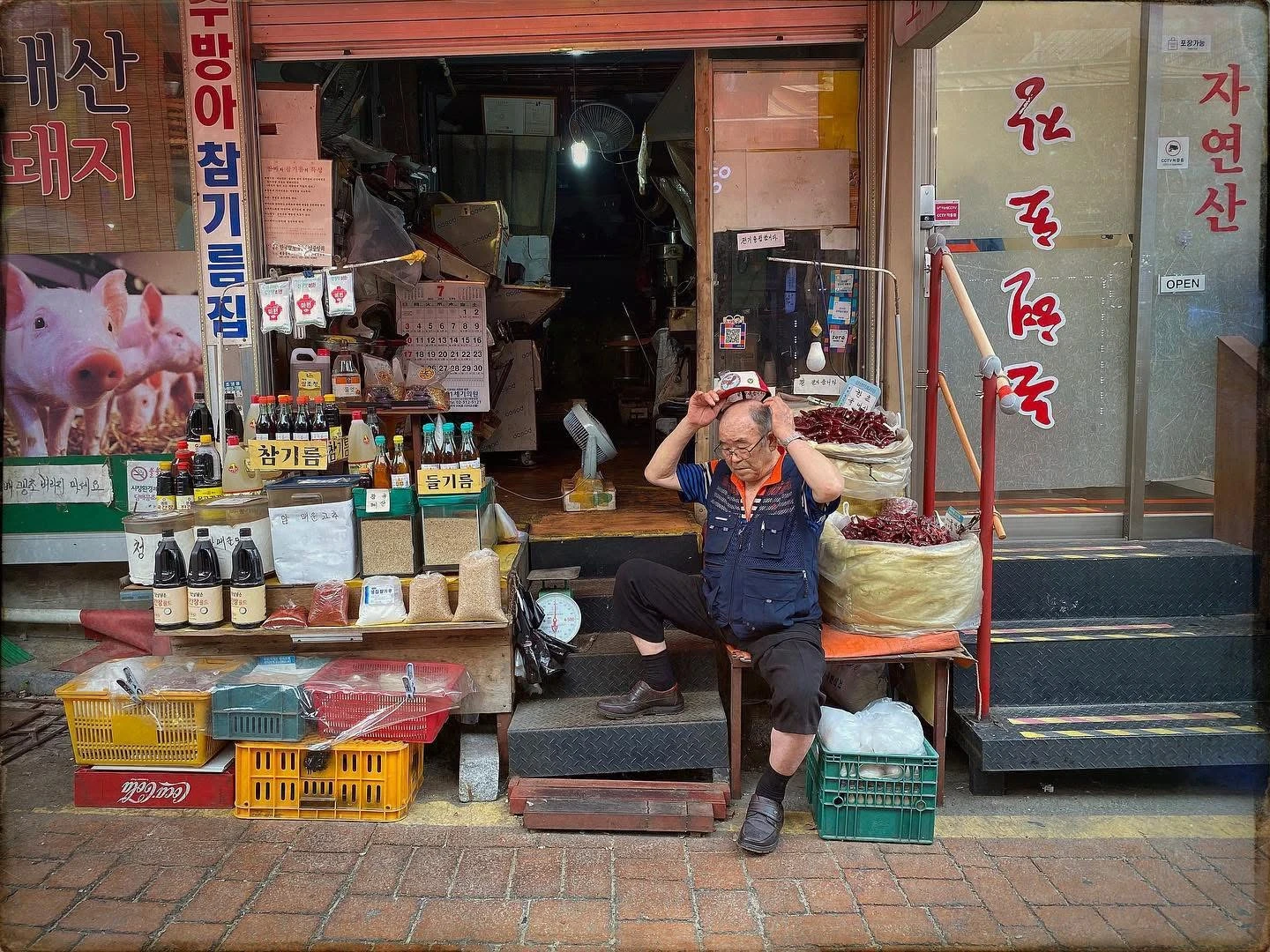
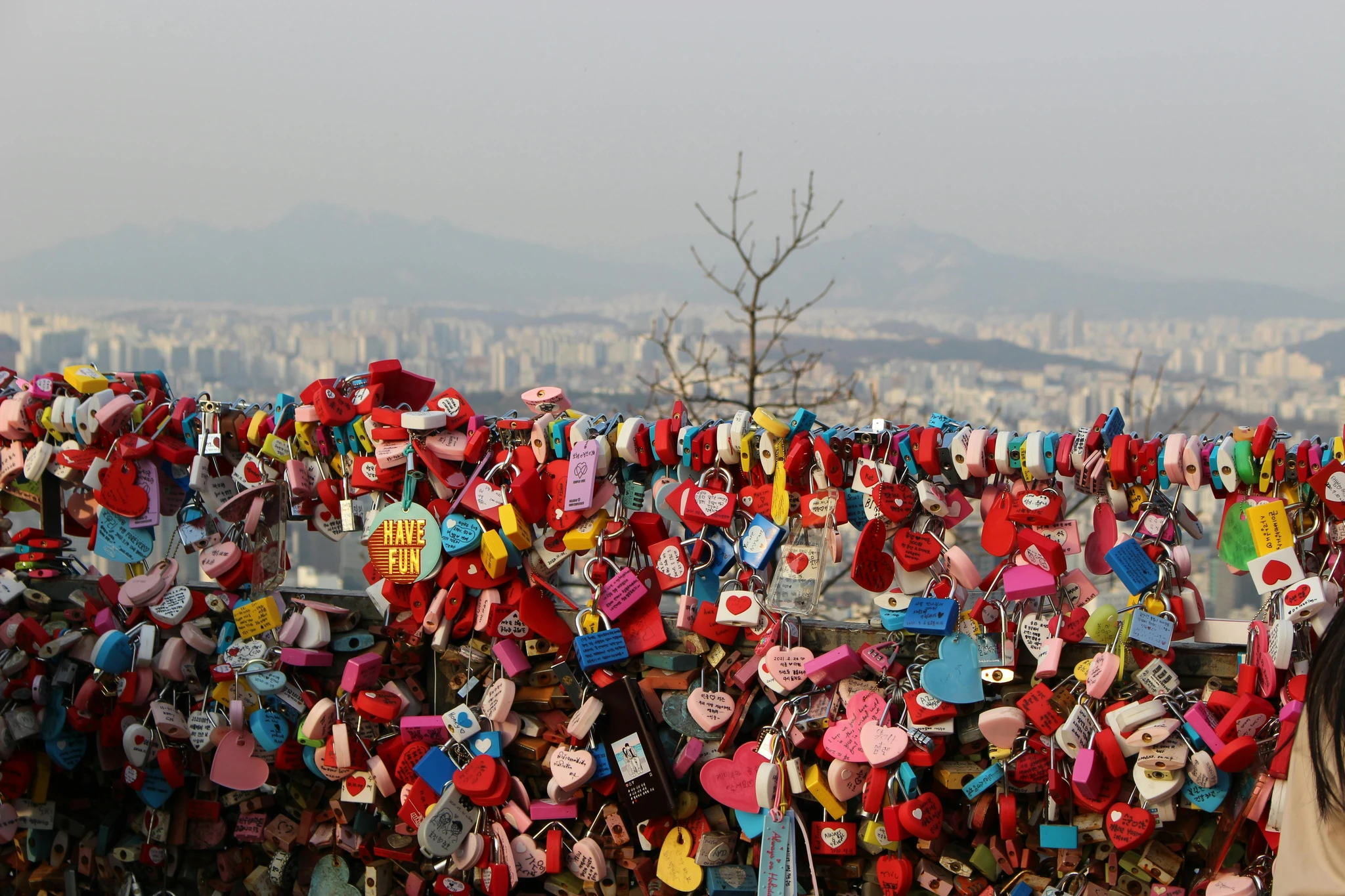
The Han River and its 27 bridges offer wide establishing shots and riverside parks. Namsan and N Seoul Tower give panoramic city views. Traditional markets like Namdaemun and Gwangjang provide authenticity and energy. For nightlife and street-level energy, Hongdae, Itaewon, and Myeongdong are proven locations.
Beyond Seoul, Busan is a two-and-a-half-hour train ride and offers port, beach, and coastal mountain environments. Jeju Island provides volcanic landscapes, coastline, and rural settings accessible by a short flight.
EM Productions has location scouted across Seoul extensively. Contact us and we can match locations to your visual brief. Reach out at info@em-production.com or use our contact form.
What studio facilities are available in Seoul?
Seoul has world-class studio infrastructure. The Korean production industry, driven by decades of film, television, and K-content production, supports a wide range of professional studio facilities across the city.
Options range from large-scale sound stages with cycloramas and controlled lighting setups to smaller interview studios, green screen facilities, and co-working creative spaces. Many studios offer full support services including lighting grids, makeup rooms, client viewing areas, and on-site equipment rental.
For productions that need something more specific, Seoul also offers practical locations that can be dressed as controlled environments, including modern offices, traditional Korean houses, industrial lofts, and hotel suites.
Contact us with your brief and we will match you with the right facility. Reach out at info@em-production.com or use our contact form.
What is the best time of year to film in Seoul?
Seoul has four distinct seasons, and each one creates a different visual environment.
Spring (March through May) and autumn (September through November) are the strongest filming windows. Spring brings cherry blossoms across the city’s parks and palace grounds. Autumn delivers vivid foliage and consistently clear skies. Both seasons offer moderate temperatures and reliable natural light.
Summer (June through August) is hot and humid, with the monsoon season (jangma) typically hitting in late June through July. Heavy rainfall and high humidity can disrupt outdoor schedules. Summer shoots are workable but require contingency planning.
Winter (December through February) is cold, with temperatures regularly dropping below freezing. Snow is possible. Some productions use Korean winter deliberately for its visual character, but outdoor shoots require cold-weather logistics and shorter daylight hours.
Chuseok (Korean harvest festival, usually September or October) and Seollal (Lunar New Year, usually January or February) reduce crew availability significantly. Plan around them.
We help clients schedule productions around weather windows and local holidays to avoid disruptions.
How do I start a project with EM Productions in Seoul?
Send us a message at info@em-production.com or use our contact form. Tell us what you are looking to achieve, where and when you want to shoot, and any requirements you already know. We will set up a call to discuss your project, timeline, and budget. No commitment required.
If you are still in early stages and just need guidance on what is possible in Seoul or South Korea, we are happy to talk through it. That is part of what we do.