

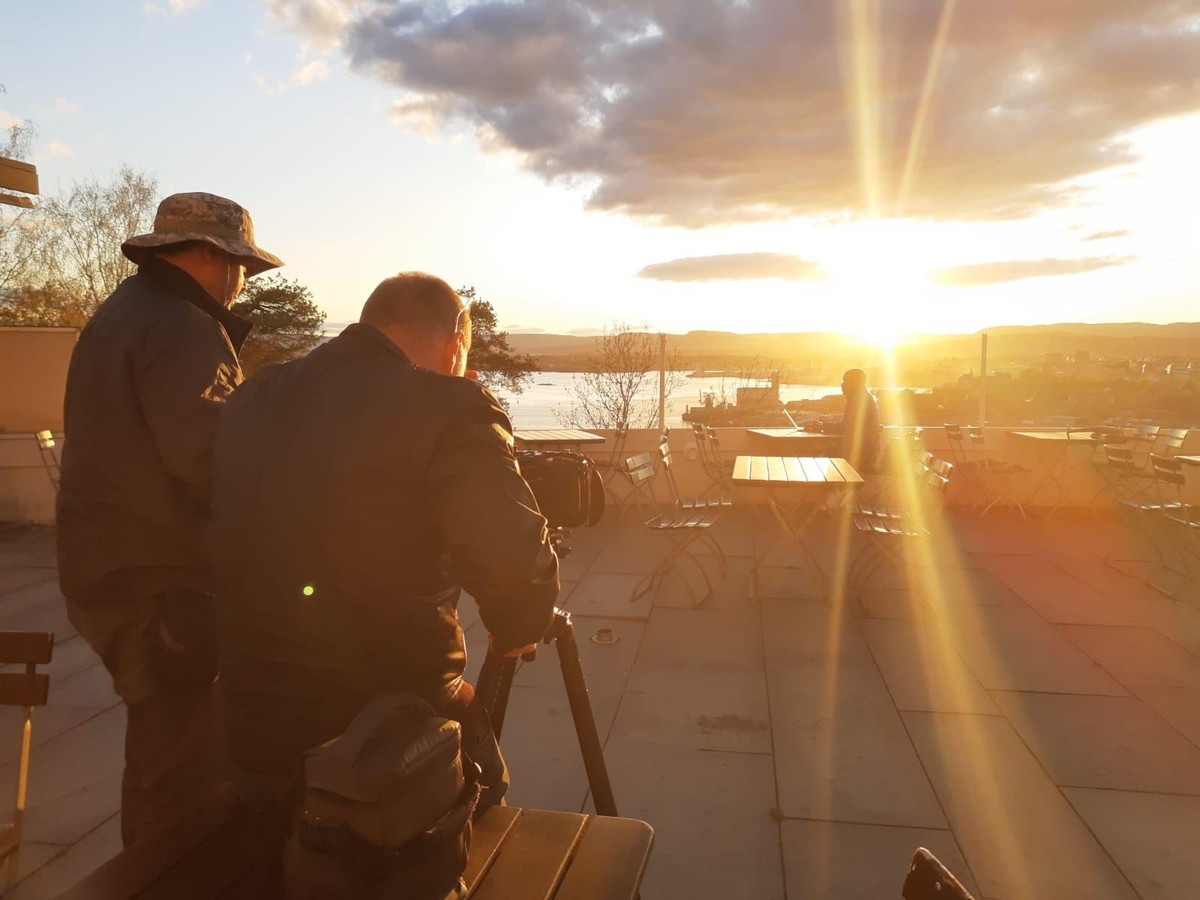
Your next hire is watching video before they read a job listing.
In This Article
For companies in growth markets, a recruitment video isn’t a nice-to-have anymore. It’s the thing that decides whether someone even considers applying.
But a recruitment video that HR actually uses, one that resonates with the people you want to attract, takes more than a camera crew and a list of talking heads. When the campaign spans four countries, everything gets harder. Here’s what we learned producing a global recruitment campaign for Yara, the Norwegian Fortune 500 company, across Norway, Singapore, Malaysia, and Colombia.
Why Companies Are Investing in Recruitment Video
Growth markets like Singapore and Malaysia are brutal when it comes to talent. Companies like Yara aren’t just hiring to fill seats. They’re competing against every other employer for people who actually care about where they work.
A recruitment video gives potential employees something a job listing can’t: a feel for the culture, the leadership, and what a normal workday looks like. The employees Yara wanted to reach aren’t just chasing a paycheck. They want to know the work matters. A good recruitment campaign lets them see that before they ever hit “apply.”
How This Project Came Together
This project came through Camp Creative Agency. Richard, the Creative Director at Camp, called because Yara needed a global human resource identity campaign, film and photography, covering four countries: Norway, Colombia, Singapore, and Malaysia.
Camp brought us on to handle production services for three of those four countries. That meant finding crew, sourcing equipment, scouting locations, managing permits, and serving as DOP and Producer on every shoot day. Richard directed the creative concept. We built the production infrastructure to execute it on the ground in each country.
We’ve worked with Camp Creative on several projects before this one, including productions for ABB and Microsoft in China, Singapore, and Malaysia. The model is straightforward: the agency drives the creative vision, and we make it happen in the field.
What Makes a Recruitment Video Different from a Corporate Brand Film
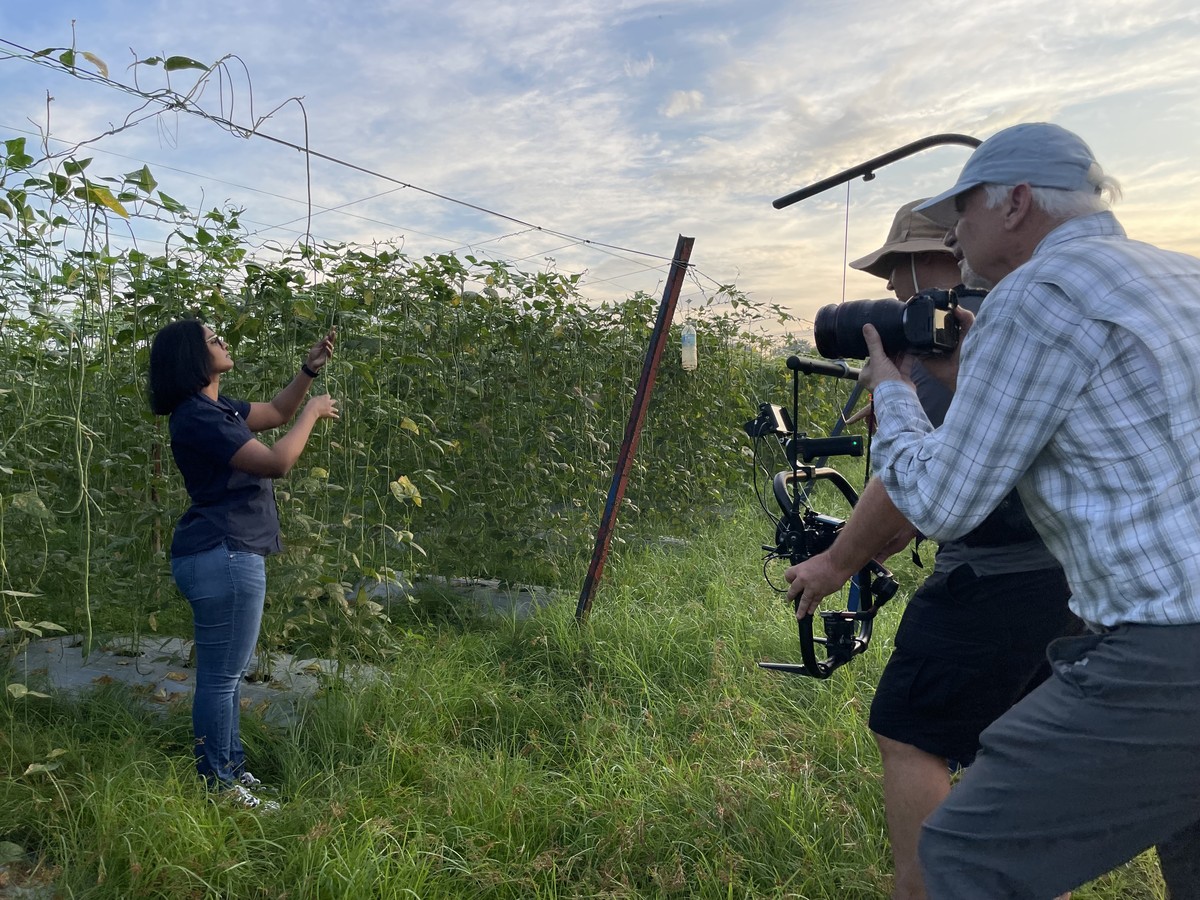
A corporate brand film is built to impress. It’s polished, controlled, and aimed at investors or clients. A recruitment video has a different job. It needs to feel real.For Yara, we went with a cinematic documentary approach. Not slick and commercial, but not rough either. A lot of handheld work. We lit scenes to bring out the natural light rather than overpower it. The goal was footage that looks good but doesn’t feel staged. Once a recruitment video starts looking too produced, it stops being believable. And believability is the whole point.
If a potential employee watches the video and thinks “that looks like a real place with real people,” you’ve done your job. If it feels like a commercial, they’re already gone.
Getting Real Employees on Camera
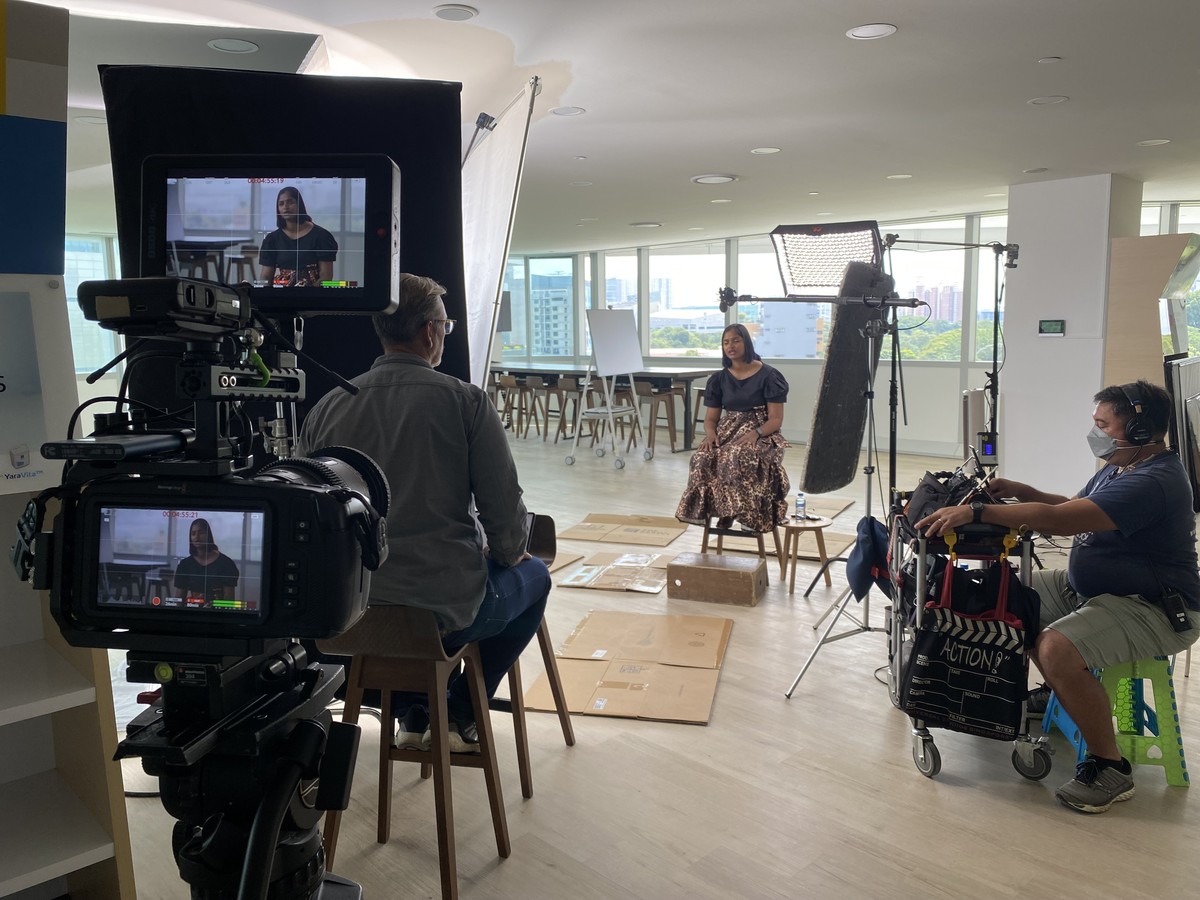
This is where it gets tricky. Your subjects aren’t actors. They’re engineers, managers, researchers, people who’ve probably never sat in front of a camera before.
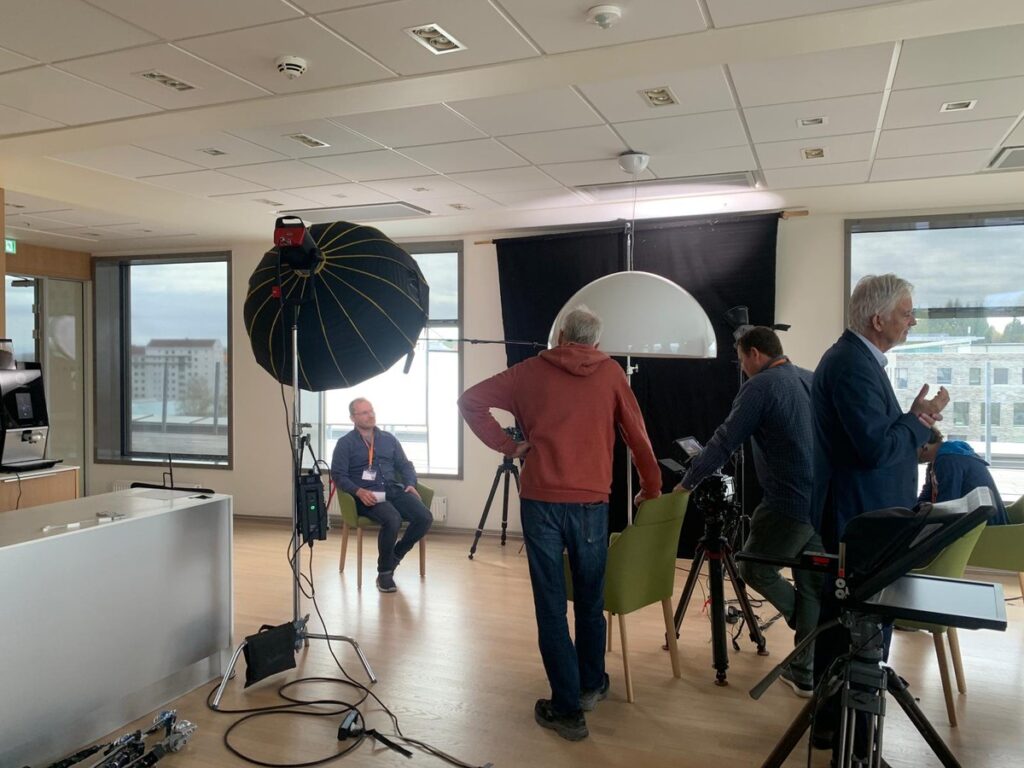
For the Yara campaign, we interviewed the Head of Human Resources and the Head of APEC Management in Oslo, plus two employees. One was a young man from Africa who’d immigrated to Norway and built his career at Yara. Yara already knew who they wanted to feature, which is pretty normal for corporate projects. Camp Creative then worked with those selections during pre-production.
The interview process matters more than most people realize. We don’t hit record and jump into the hard questions. There’s always a warm-up. Casual conversation, small talk, whatever it takes to get the person to forget they’re sitting in front of lights and a lens. Then we ease into the real questions. By that point, people are talking naturally instead of performing. That’s how you get real stories instead of rehearsed answers.
Here’s something worth being direct about: don’t push employees into a recruitment video because their job title should be represented. If someone is hesitant about participating, that comes through on camera every time. Pick people who genuinely want to share their experience and whose values line up with what you’re trying to communicate.
And skip the teleprompter. The second someone is reading from a script, you lose the thing that makes recruitment video work in the first place. Invest in a director or interviewer who knows how to ask questions and pull real stories out of people. That skill is worth more than any production budget line item.
Working Across Four Countries and Multiple Time Zones
The Yara campaign had teams coordinating across Norway, Colombia, Singapore, and Malaysia. That meant 5 AM and 9 PM calls so everyone could be on the same page, from Yara’s Oslo headquarters to Camp Creative to our teams in the field.
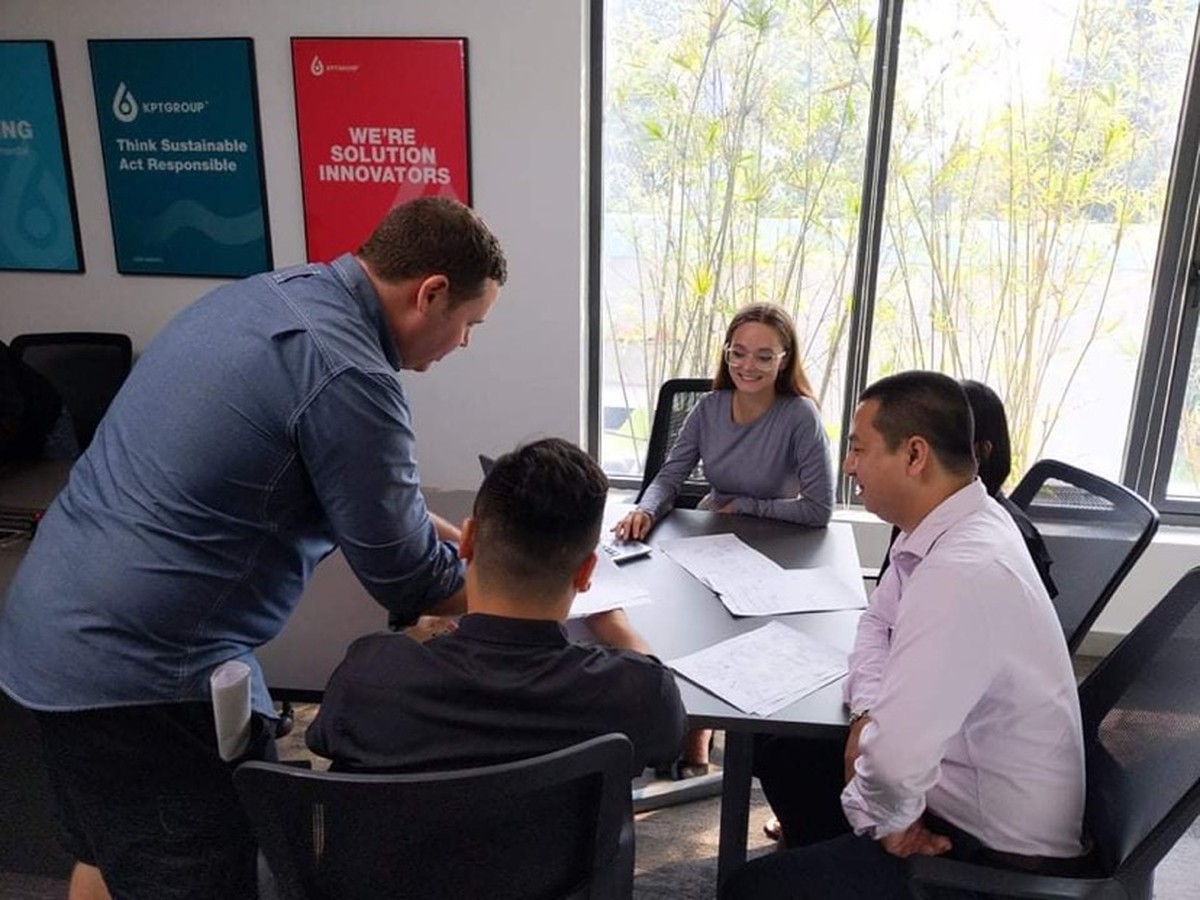
Between calls, we relied on email and shared documents. Video calls happened roughly every week and a half leading up to production. The lead time was about two months to organize shoots in three countries, which sounds like a lot until you start listing what has to happen: scouting, location permits, equipment sourcing, creative alignment, drone licensing, employee scheduling, and cross-border paperwork.
Two months goes fast.
The Logistics Nobody Thinks About
Cross-Border Equipment Transport
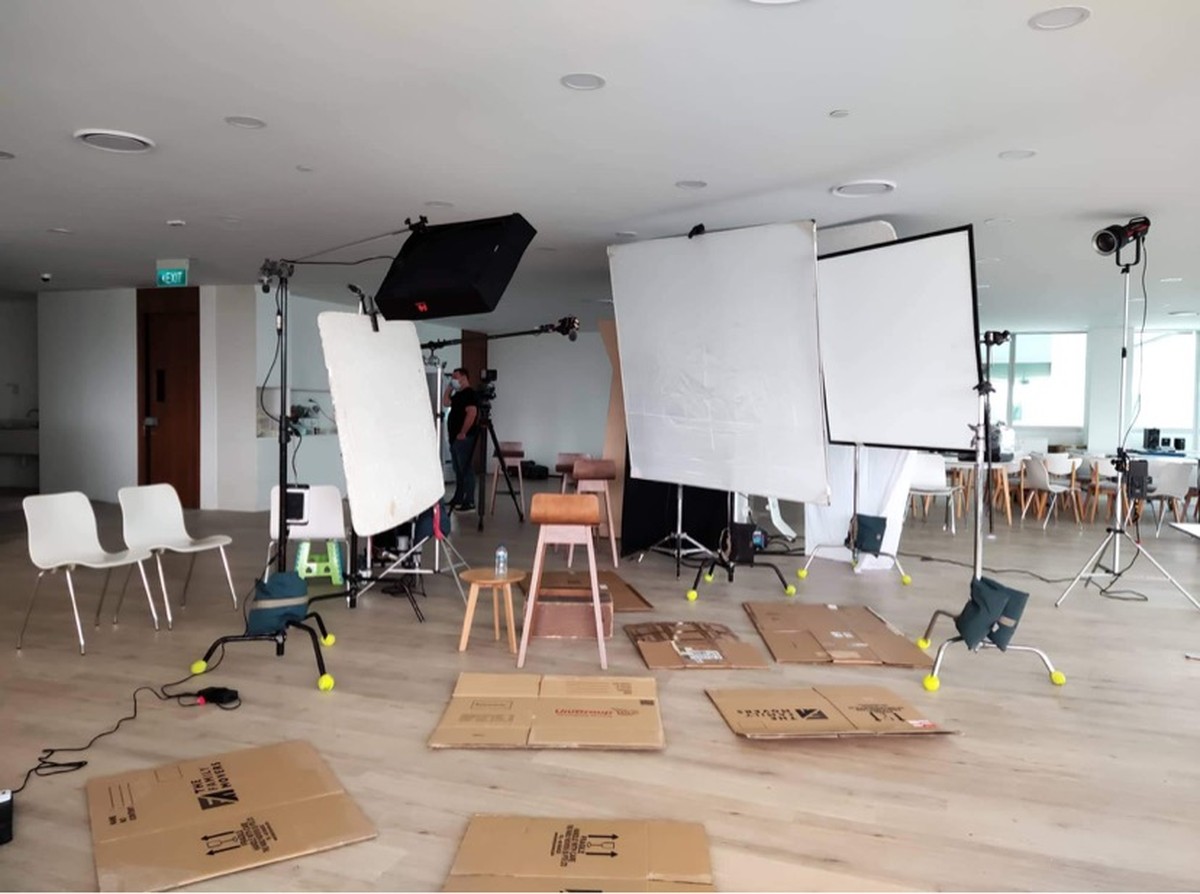
For the Singapore and Malaysia shoot days, we had to cross the border into Malaysia with a full kit of film equipment to visit a Yara farm that was implementing their technology. That crossing needed a complete equipment list with serial numbers, temporary import paperwork filed with both countries, and about an hour and a half of stamping and documentation on the Malaysian side.
Coming back into Singapore was easier because customs already had the paperwork from our exit. But without a local production team handling that documentation ahead of time, that border crossing alone could eat half a production day.
Drone Operations in Norway
Flying a drone in Oslo required a licensed operator who’d completed a Norwegian drone law certification. The pool of qualified operators in Oslo was small, which meant booking one early in pre-production was critical. The aerial footage was worth it, but this is the kind of detail that catches productions off guard if nobody flags it during planning.
Location Diversity
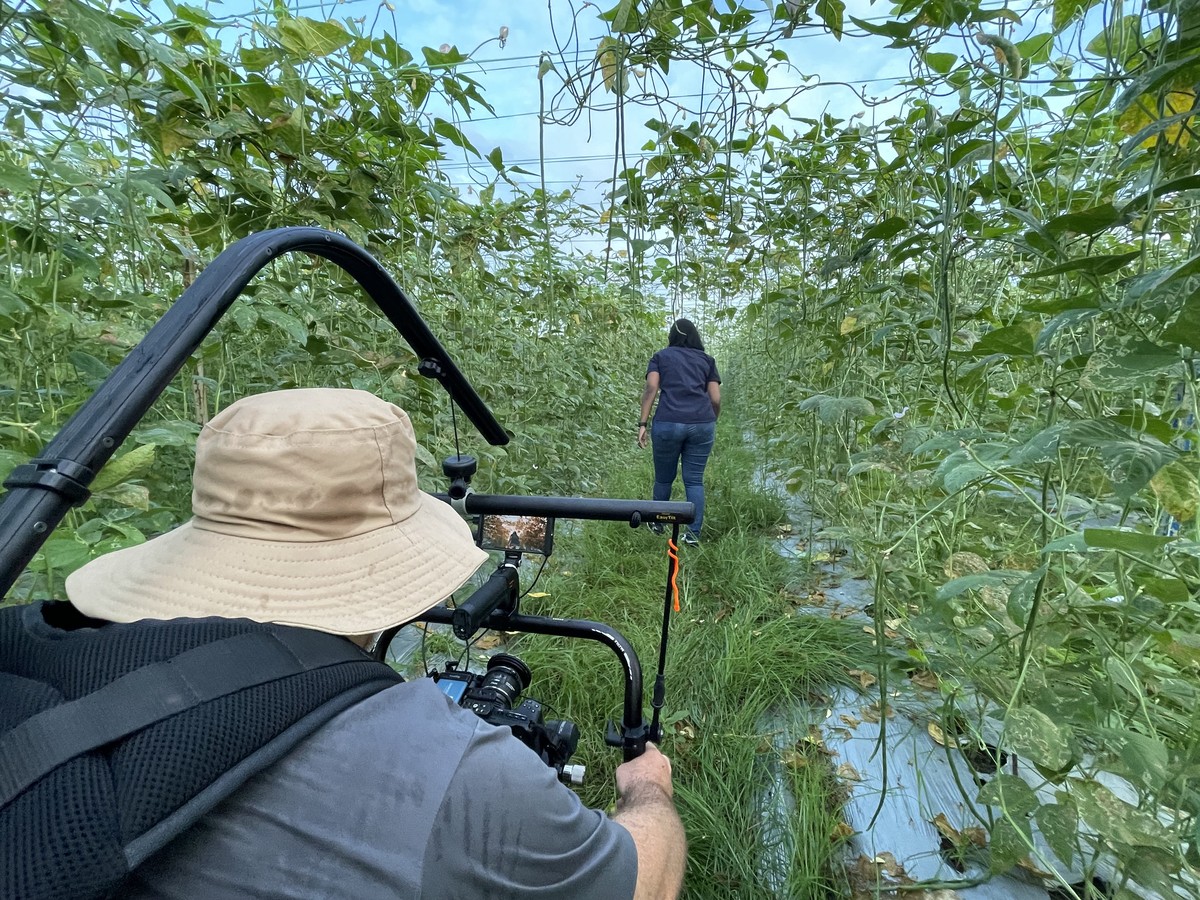
Across the three countries we managed, the shoot covered corporate offices in Singapore, the botanical gardens, the Singapore harbor area, a technology farm in Malaysia, Yara’s headquarters in Oslo, driving sequences on Norwegian roads, and tram interiors. Every location needed its own permissions, access coordination, and scheduling.
The Biggest Challenge on a Global Recruitment Campaign
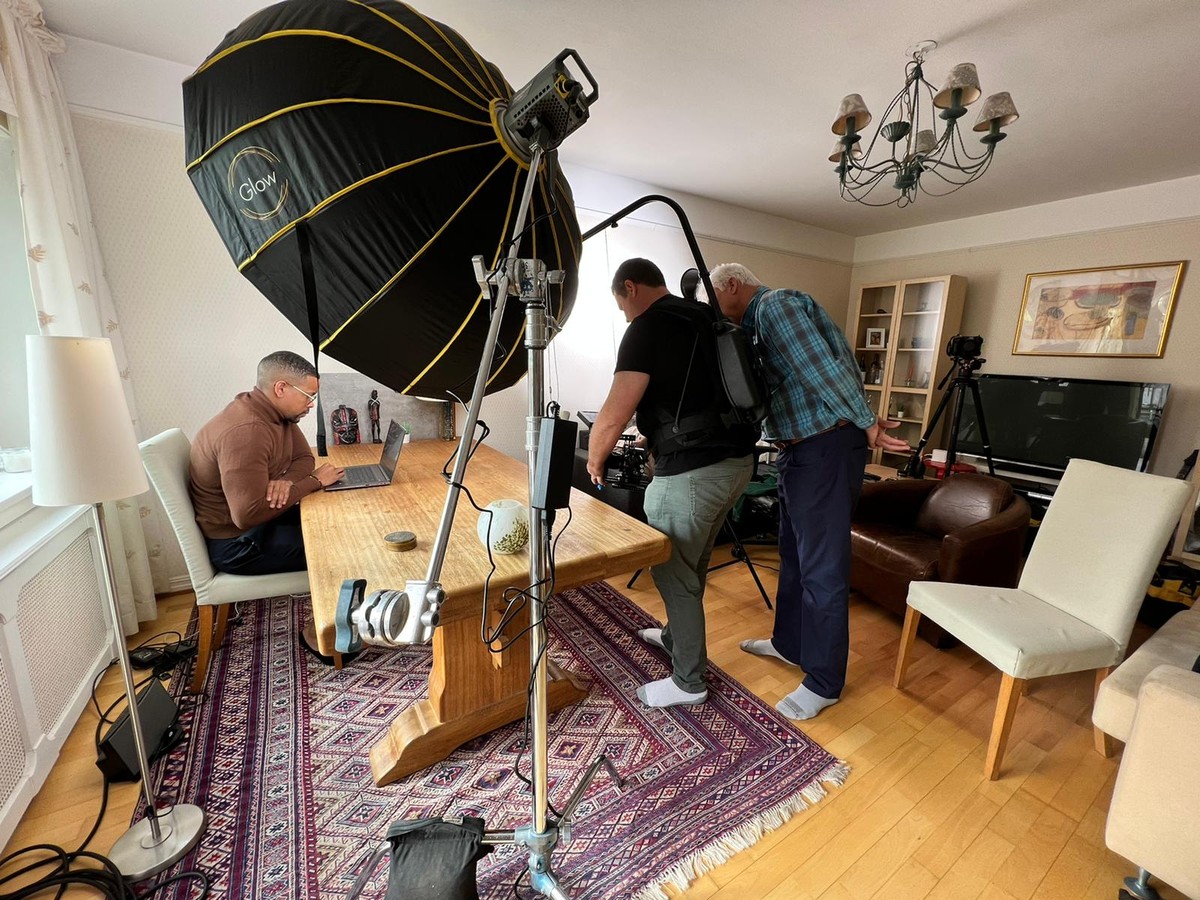
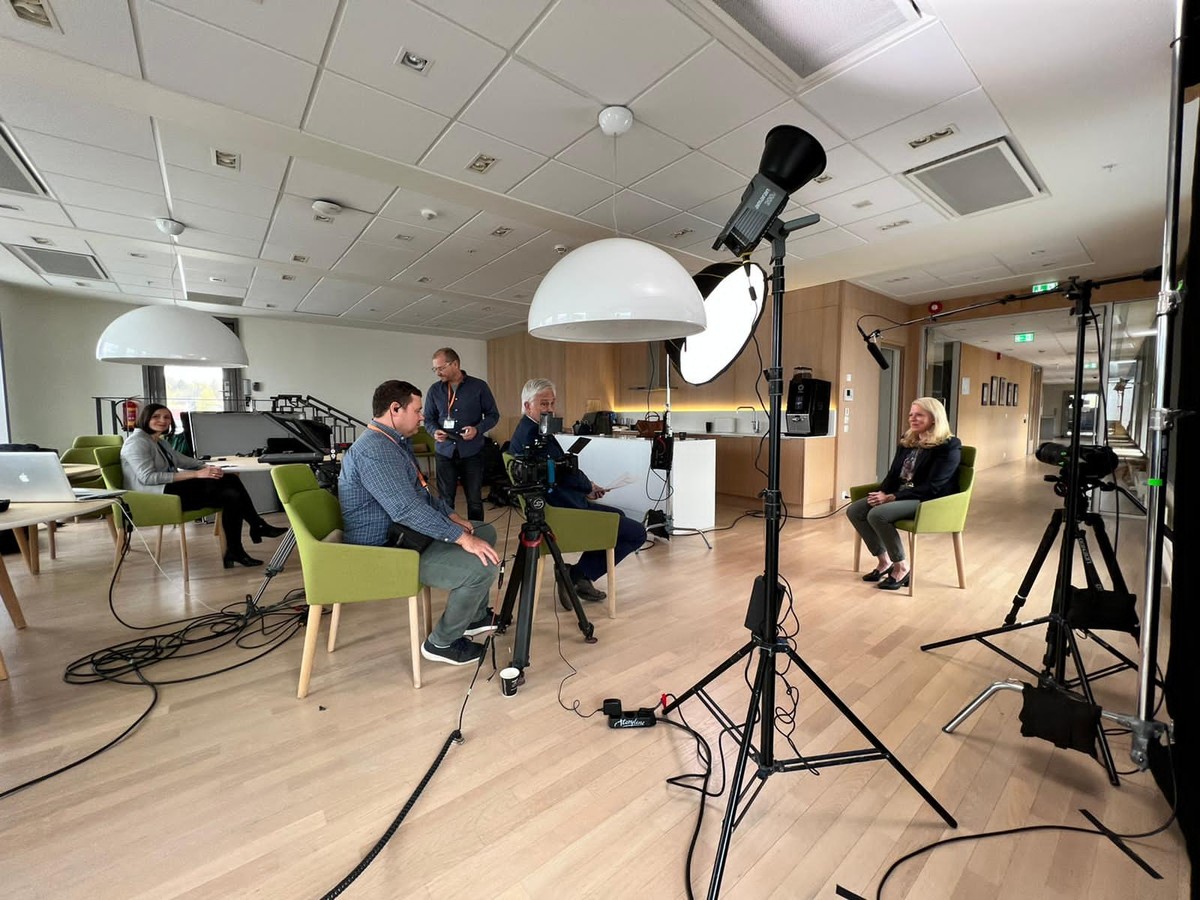
It’s not the equipment. It’s not the travel. It’s getting local teams at the client’s offices to understand what a film production actually needs from them.
There’s a common idea that a video crew just shows up with cameras and starts filming. The reality is that we need access only the client can provide. Building permissions. Employee schedules cleared. Restricted areas opened. Coordination with facility managers sorted out. Until those things happen, our hands are tied.
We’ve learned to walk through all of this in the very first meeting with each local team. What we need, why we need it, and what happens if we don’t have it in time. Most people get it quickly once it’s explained. That first conversation sets the tone for the whole production, and skipping it is how shoots go sideways.
Campaign Structure: Hero Film Plus Individual Stories
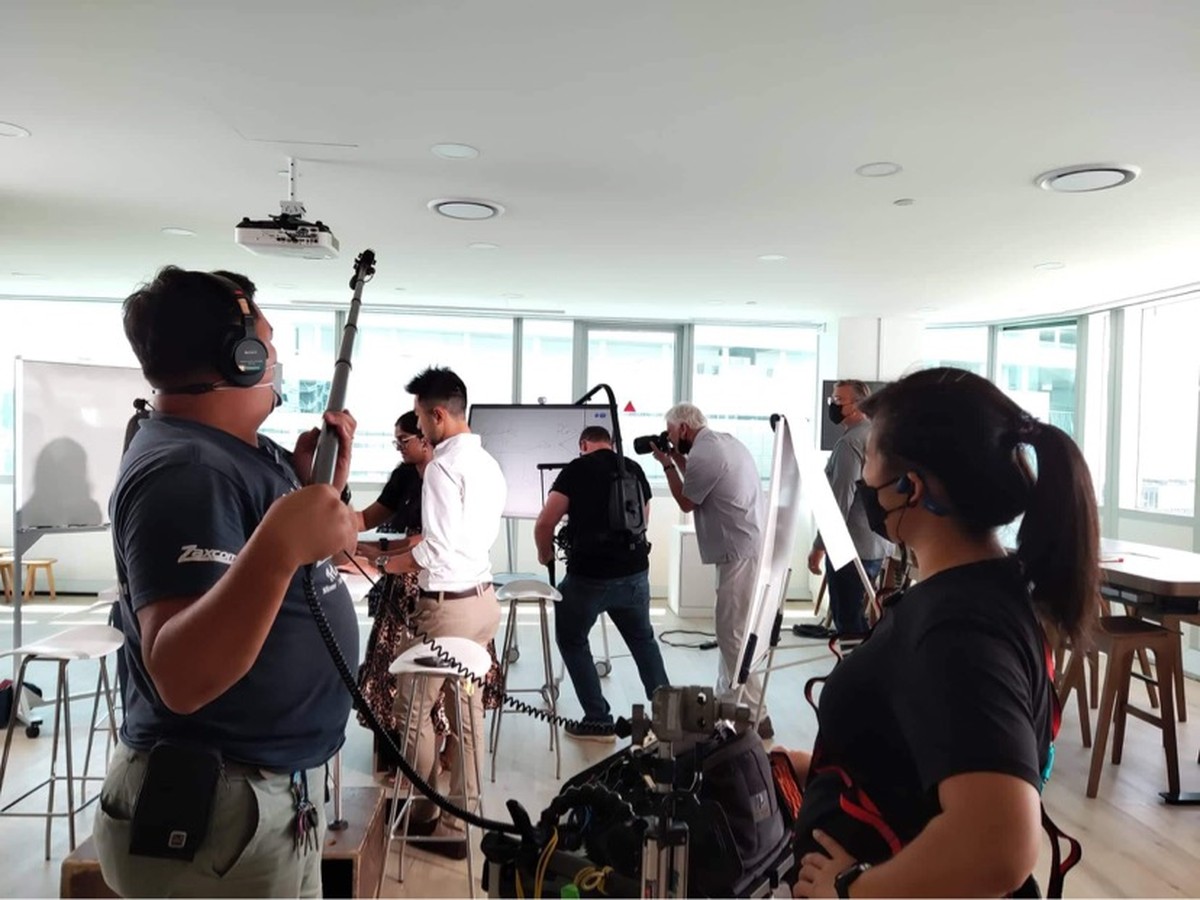
The Yara campaign produced one hero video and individual employee story films for each country. The hero pulled footage from all locations to give a global feel. The individual films told specific employee stories tied to their region.
This gave Yara multiple pieces of content from a single production. The hero works on careers pages and at recruitment events where the message needs to be broad. The individual stories work on LinkedIn and social media where people connect with a specific person’s experience. Every shoot day was pulling double duty, capturing footage for both the hero edit and the standalone story, which means the DOP has to be thinking about both at all times.
See the finished Yara global campaign: Yara Global HR Identity Campaign
See the Singapore employee film: Yara Singapore Employee Story
Corporate Recruitment Video Checklist
Pre-Production
- Define whether the video is recruitment, employer branding, internal comms, or a combination
- Choose employees based on comfort and genuine enthusiasm, not job title
- Brief selected employees early and make sure nobody feels pressured into participating
- Scout every location in advance, especially facilities that need special access
- If shooting across borders, start equipment import paperwork immediately
- Check drone regulations and licensed operator availability in each country
- Build the production schedule around employee availability, not the other way around
- Allow at least two months lead time for multi-country productions
Production Days
- Warm up every interview subject before asking the real questions
- No teleprompters for employee interviews
- Shoot footage that works for both the hero edit and individual story edits
- Keep the visual style cinematic but authentic, not over-polished
- Keep a full equipment list with serial numbers for any border crossings
Post-Production
- Plan for review cycles across multiple time zones
- Build in time for feedback from both local teams and global headquarters
- Deliver edits in formats built for each platform: careers page, social media, recruitment events
Recruitment Video Production FAQ
How much does a global recruitment video campaign cost?
Every project is different. Cost depends on how many countries, how many shoot days per location, crew size, and the complexity of post-production. A multi-country campaign involves flights, local crews, permits, and equipment logistics that a single-location shoot doesn’t. The best starting point is a conversation about your goals and where you need to shoot.
How long does it take to produce a recruitment video across multiple countries?
For the Yara campaign, the lead time was about two months from first planning call to the start of production. Post-production follows after all locations wrap. Total timeline depends on how many countries, how many interview subjects, and how fast approvals move across time zones.
Can you produce recruitment videos in countries where you aren’t based?
Yes. EM Productions manages production across the region by partnering with vetted local crew and equipment suppliers. For the Yara project, we handled Norway, Singapore, and Malaysia, building local teams in each country while maintaining consistent quality as DOP and Producer on every shoot.
Do employees need media training before being filmed?
No. What matters more is choosing people who are comfortable and want to participate. A good interviewer handles the rest through warm-up conversation and the kind of soft skills that help people relax in front of a camera. Pushing reluctant employees into a shoot produces stiff footage that nobody will use.
What formats work best for recruitment videos?
A hero film works for careers pages and recruitment events. Individual employee stories do well on LinkedIn and social media where shorter, personal content gets more traction. Delivering in multiple formats and aspect ratios gives HR and marketing teams what they need to use the content across every channel.
Can you work with our creative agency on a recruitment video?
Yes. The Yara project was produced in partnership with Camp Creative Agency. They led the creative direction. EM Productions handled production services across three countries. This model works because the agency keeps creative control while we bring local production knowledge, crew networks, and logistics expertise in each country.
One Comment